行业
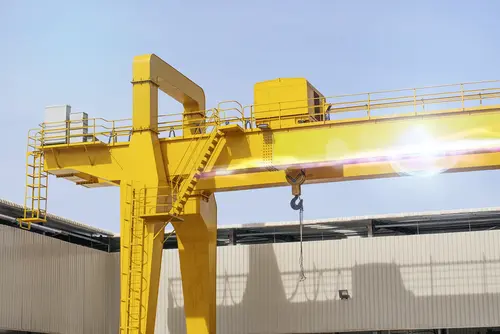
VAHLE Crane Technology
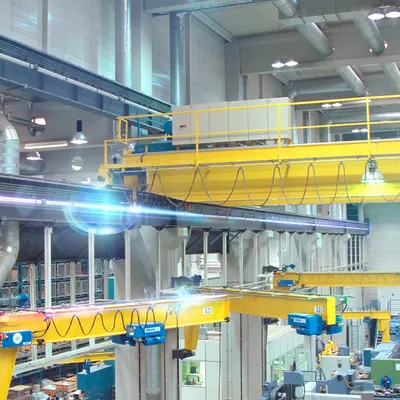
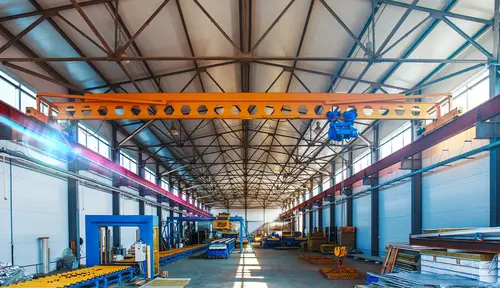
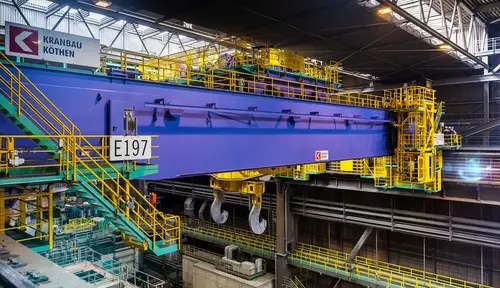
Individual solutions for heavy loads

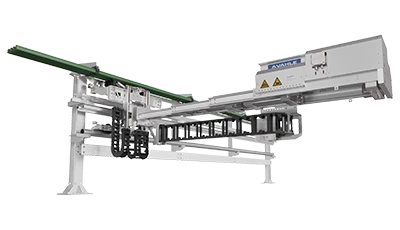
Cranes are used in many industries. Steel producers, recycling yards and companies from the construction industry VAHLE offers reliable systems for energy and data transmission.

Discover solutions
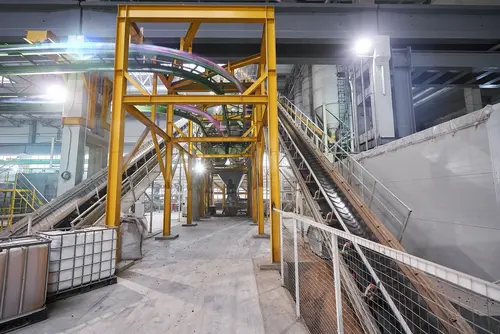
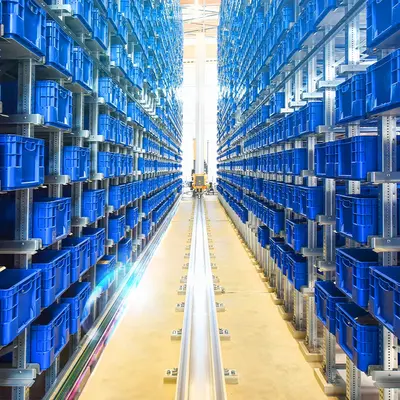
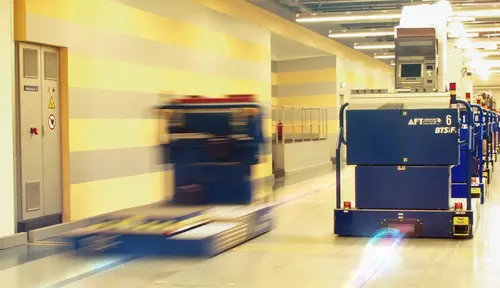
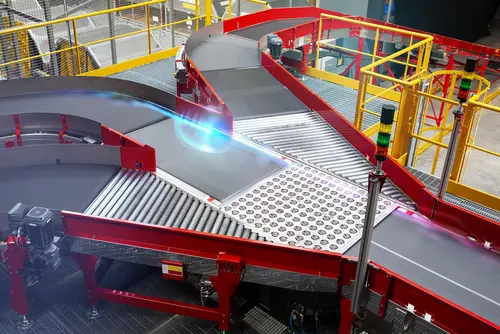
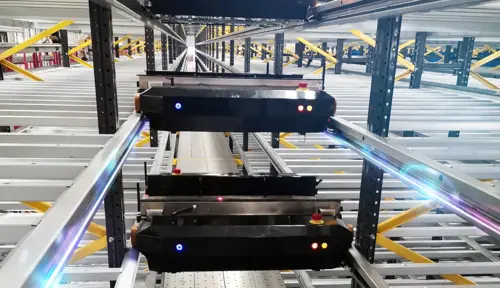
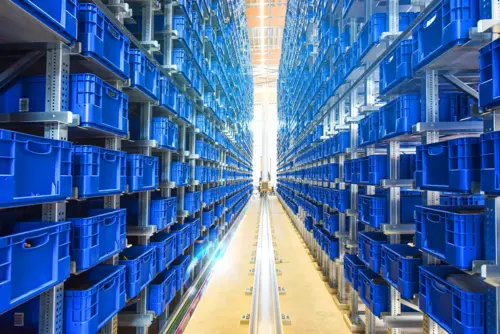
VAHLE Intralogistics automated small parts warehouse
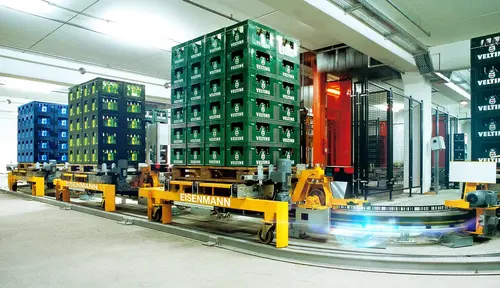
Automated conveyor technology in the internal flow of goods

Increasing production rates, high throughput volumes and short delivery times require partially or fully automated intralogistics.

Discover solutions
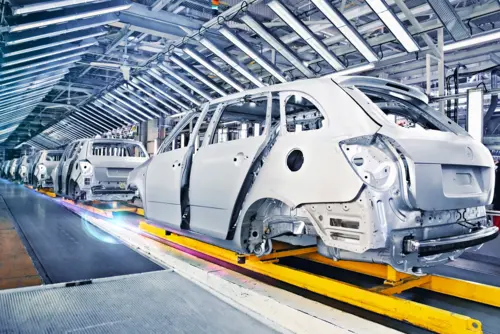
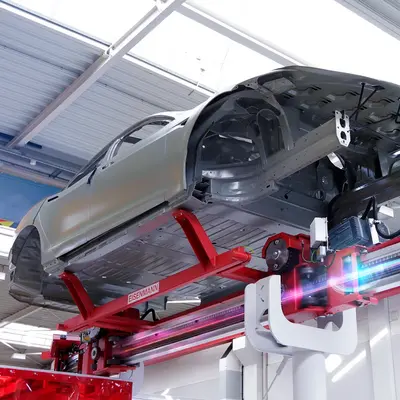
VAHLE Automotive Electric Monorail System (EMS)
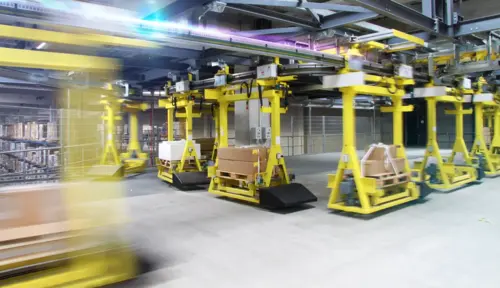
Innovative solutions for flexible production processes

Adaptable manufacturing processes are the key to the greatest possible efficiency in vehicle production. VAHLE solutions for energy and data transmission make a significant contribution to this.

Discover solutions
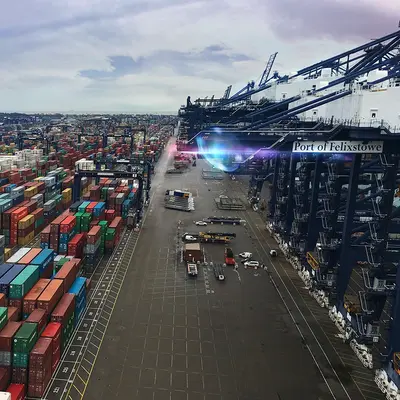
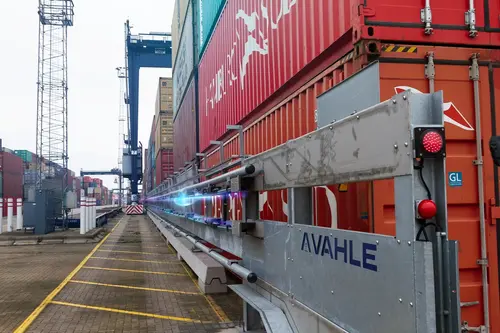
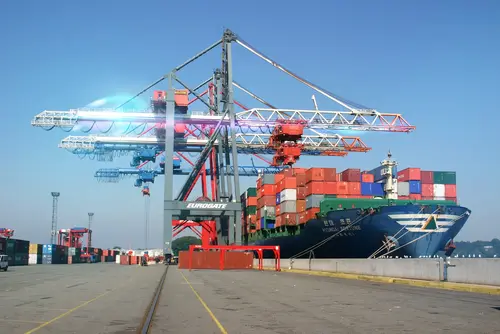
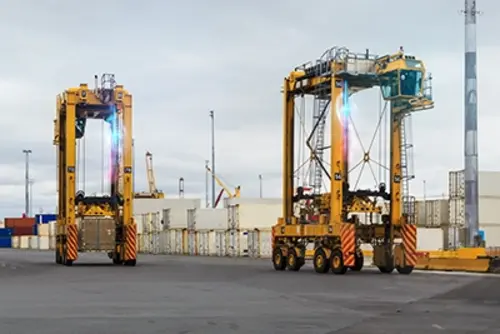
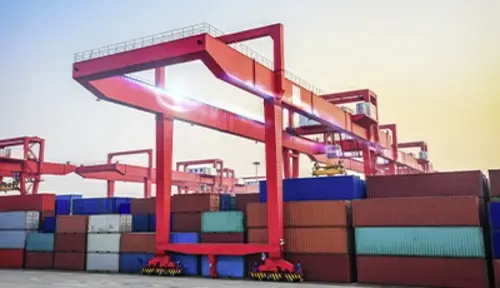
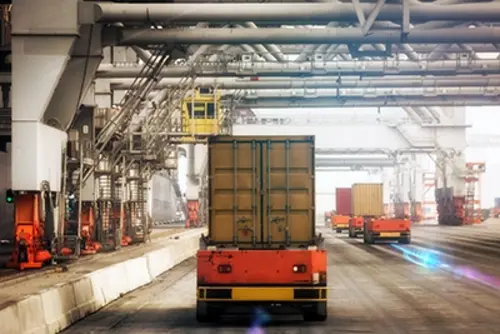
VAHLE Port Technology
Innovative solutions for the ports of tomorrow

Zero emission is the requirement for the port of the future. With the solutions for energy and data transmission from VAHLE, port operators are getting closer to this goal.

Discover solutions
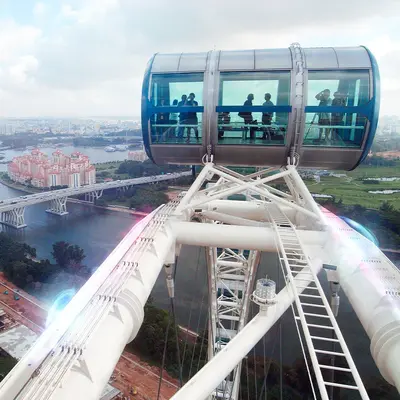
VAHLE Amusement Rides Ferris Wheel
Intelligent solutions for the rides of the future

The amusement, leisure and adventure sectors are often at the cutting-edge of the industry. That's why many ride builders and manufactures rely on VAHLE to provide roller coaster and ride passengers with increasingly extraordinary experiences. 

Discover solutions
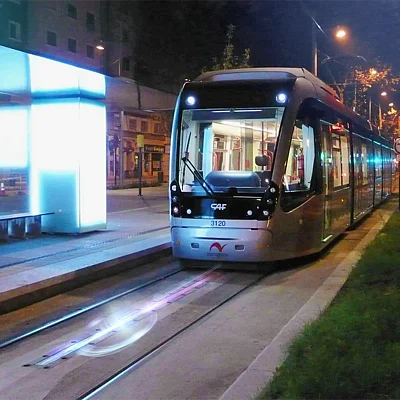
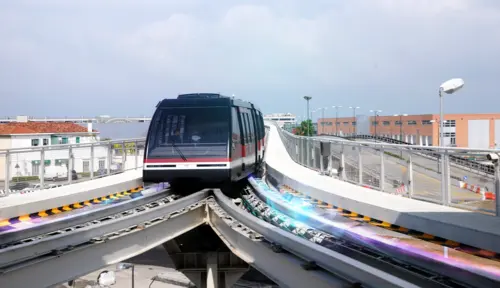
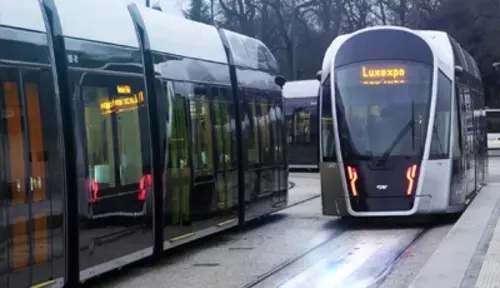
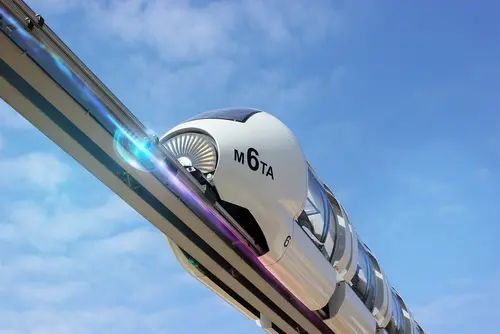
VAHLE People Mover Trams
Automated transport systems for the mobility of the future

Streetcars, sky trains or rolling sidewalks are the future of resource-saving mobility. Many manufacturers rely on components from VAHLE for the design.

Discover solutions
VAHLE General Industry
Innovative solutions for special mobile applications

Stadium roofs, waste incineration plants, facade elevators: Mobile industrial applications are used in many areas. VAHLE offers various special solutions for reliable energy supply and data communication.

Discover solutions
产品
VAHLE data communication
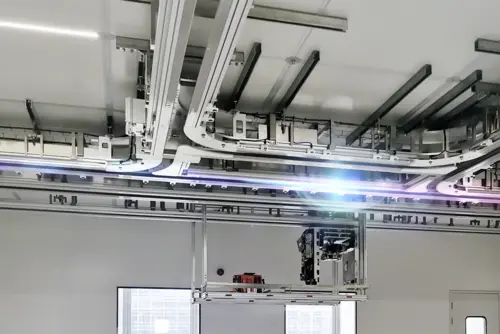
Data communication: fast, flexible and secure

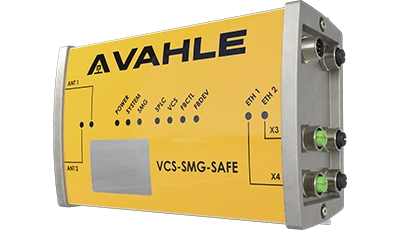
Advancing digitization requires the transmission of ever greater volumes of data. Our vCOM solutions ensure reliable data communication for the control of automated conveyor systems at all times.

Solutions for data communication
VAHLE positioning
Positioning: robust, flexible and precise

Modern manufacturing requires automated conveyor systems that can be positioned with extreme precision. The prerequisites for this are created by our robust vPOS solutions, which are available with both magnetic and optical processes.

Solutions for positioning
VAHLE control
Control: mobile, scalable and efficient

Automation is shaping modern production processes more than ever. Numerous mobile conveyor units must be reliably controlled. With our versatile vDRIVE solutions, this can be achieved flexibly and with optimized performance.

Solutions for control systems
VAHLE system solution
System solutions: Everything from a single source

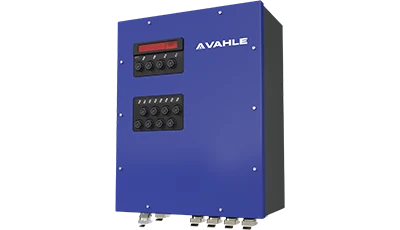
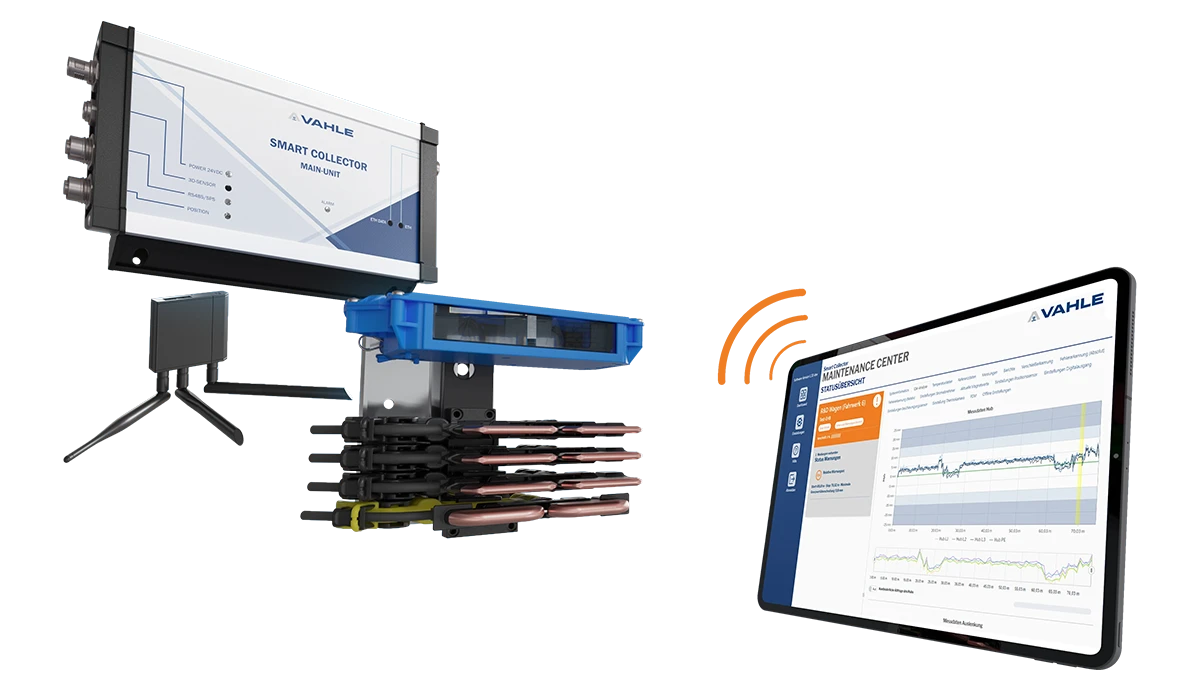
With our holistic system solutions, we offer a perfectly coordinated product combination of power transmission, data communication, positioning and control for a wide range of applications.

Discover system solutions
服务
VAHLE Services
法勒提供全方位的服务与支持,涵盖安装调试、维护维修、备件管理及培训等领域。如有需要,我们亦可作为总承包商为您的项目提供服务。
公司
VAHLE Unternehmen
我们是谁?我们从何而来?我们的未来将通向何方?在公司页面中,您可以全面了解法勒集团的公司历程、最新动态及成功客户案例。当然,这里也提供了我们的地理位置和联系方式。
职业生涯
VAHLE Karriere
了解家族企业的幕后故事。在我们的职业板块,您可以了解法勒集团的日常工作生活与职位详情、培训与进修机会,以及当前的空缺职位。别犹豫:我们一直在寻找充满热情的新同事!
Charging solutions for AGVs

Continuous power supply or opportunity charging?

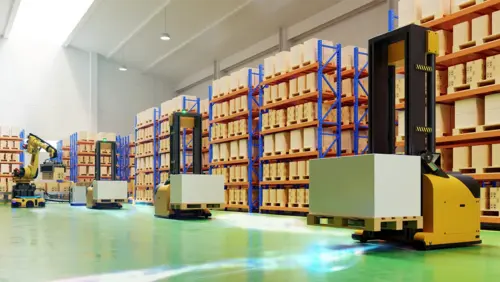
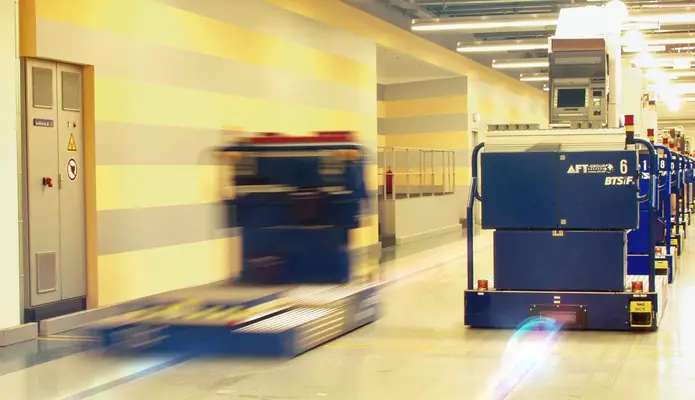
Driverless transport systems (AGVs) – also known as automated guided vehicles (AGVs) – are a core component of modern intralogistics and production automation. High-performance charging solutions for AGVs are a decisive factor in the availability, scalability and cost-effectiveness of automated material flows.

In many applications, AGVs now operate 24/7. Downtime due to empty batteries or charging problems can interrupt material flow and disrupt production processes. Therefore, the right energy supply plays a central role in the efficiency of automated transport processes.

Companies need an energy infrastructure that automates charging processes, minimises downtime and can be seamlessly integrated into existing fleet management and control systems. Choosing the right charging solution has a direct impact on OEE (Overall Equipment Effectiveness), TCO (Total Cost of Ownership) and long-term investment security.

There are two main approaches:

  • In-motion charging (continuous energy supply)
  • Opportunity charging (automated intermediate charging)

Both pursue the same goal: maximum availability with optimal energy supply. But which concept is suitable for which application?

Why are charging solutions for AGVs strategically relevant?

Modern AGVs often perform transport tasks in continuous operation – for example, in manufacturing, intralogistics or distribution centres. This presents typical challenges:

  • Unplanned downtime: If an AGV fails due to a lack of energy, this can interrupt entire production chains.
  • Maintenance and wear: Classic plug-in or sliding contacts are subject to mechanical wear.
  • Battery size and service life: Without intermediate charging, batteries must be larger, which increases weight, costs and wear.
  • Complex charging planning: Operators must decide when and where vehicles should charge without creating bottlenecks in the material flow.


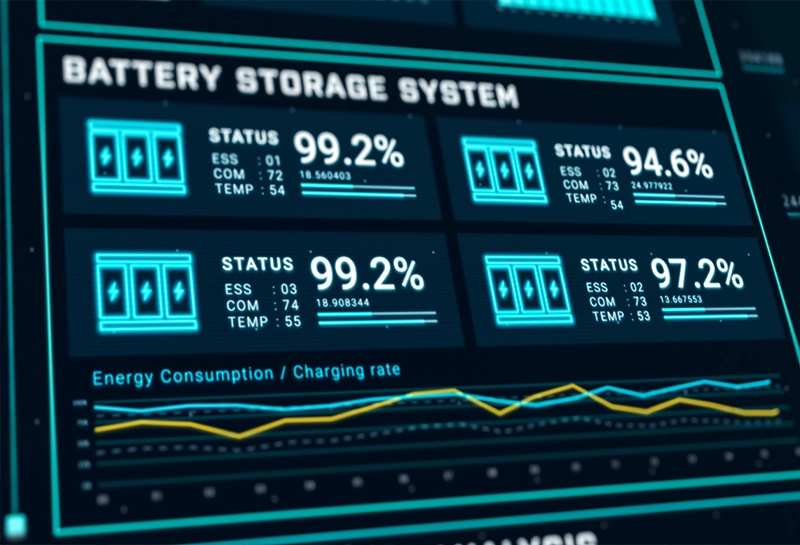
Modern charging systems for driverless transport systems therefore combine several technologies, such as lithium-ion batteries (e.g. LFP or LTO), intelligent battery management systems (BMS), automated charging algorithms, energy management and fleet control, and contactless or contact-based charging infrastructure.

There are basically two established charging solutions for AGVs: in-motion charging and opportunity charging.


Charging while in motion

Continuous energy supply

With continuous energy supply, energy is transferred while the vehicle is in motion – usually via inductive, contactless systems along the route. 

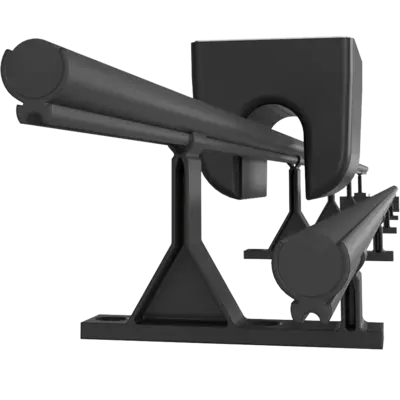
In inductive systems, a primary cable is laid in the ground, which generates an electromagnetic field. The vehicle has a pickup (secondary coil) that picks up energy from this field without contact. The systems transfer energy using high-frequency technology and enable a continuous power supply along the route.

Advantages of in-motion charging

  • Maximum system availability without charging breaks

  • Reduced battery size and lower maintenance costs

  • High energy efficiency during continuous operation

  • Scalability for large AGV fleets

  • No mechanical wear due to contactless energy transfer

In practical projects, continuous energy supply has significantly increased the productivity of AGV fleets, as vehicles no longer need to be taken out of service regularly for charging.

Limitations and requirements

As powerful as continuous energy supply is, it also comes with certain requirements:

  • Installation costs: Inductive infrastructure often has to be installed in the ground.

  • Higher investment costs: The initial investment is usually higher than for simple charging stations.

  • Planning dependency: Roadways should be stable in the long term.

  • Power requirements: High peak loads must sometimes be buffered by on-board batteries.

This concept is therefore particularly suitable for applications with stable processes and high utilisation.

Typical areas of application

  • Automotive production
  • Assembly lines with fixed cycle times
  • Highly automated manufacturing processes
  • Applications with very high vehicle density

practical example

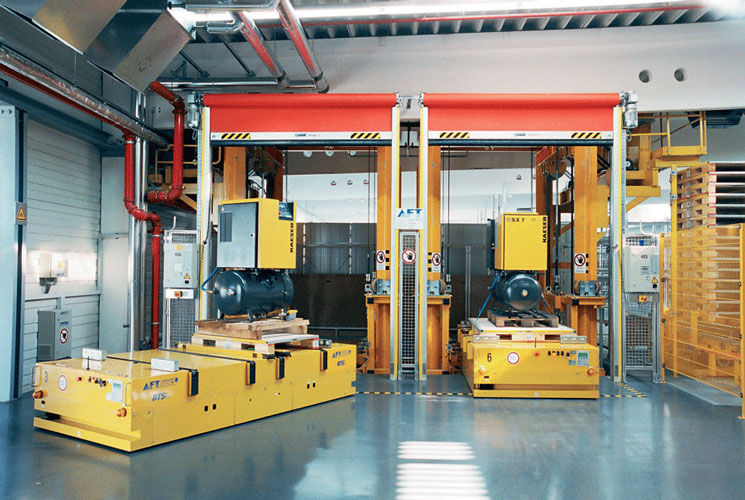
A practical example of this technology is the driverless transport system at Kaeser Kompressoren, where a fleet of AGVs is continuously supplied with power via inductive energy transfer. This allows the vehicles to operate almost without interruption and eliminates the need for traditional charging breaks.

automated intermediate loading

Opportunity charging

With opportunity charging, AGVs charge specifically during process breaks.

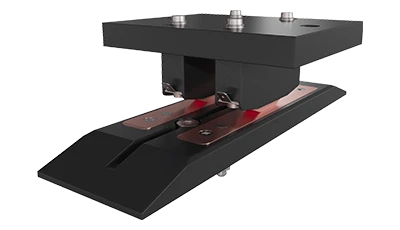
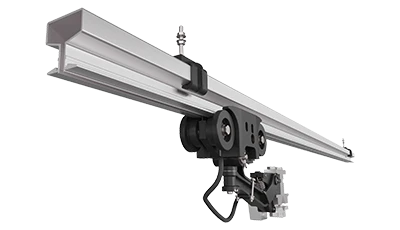
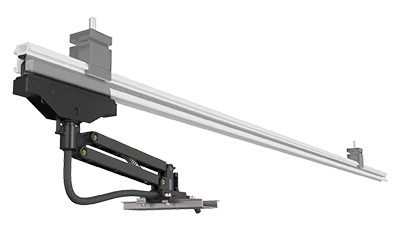
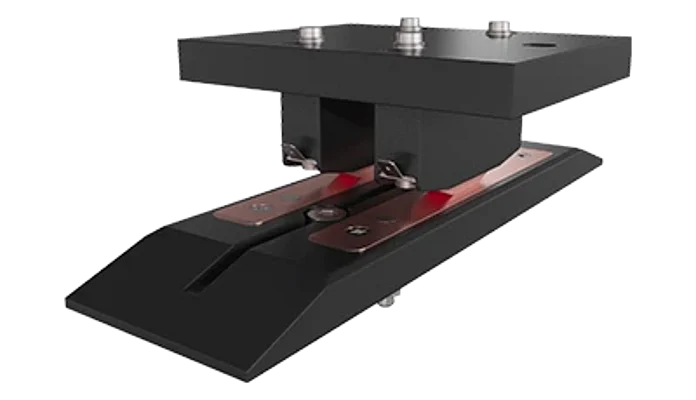
Energy is transferred via stationary charging contacts or docking stations located at strategic points along the route.

Typical charging times are:

  • during waiting times for transport orders
  • at transfer stations in the warehouse
  • during short stops in the process flow
  • during shift changes or breaks

Advantages of opportunity charging

  • Flexible integration into existing plant layouts

  • Lower initial investment

  • Good scalability for growing fleets

  • Easy installation of charging stations

Challenges with opportunity charging

Opportunity charging also has its limits:

  • Charging times reduce vehicle availability in the short term

  • Fast charging can put more strain on batteries

  • Charging bottlenecks can occur with many vehicles

  • Mechanical contacts require maintenance

Therefore, a good energy management and charging concept is crucial.

Typical areas of application


This concept is particularly suitable for:

  • Intralogistics and warehouses

  • E-commerce logistics centres

  • Systems with variable travel paths

  • Processes with existing waiting times

Core technological elements

Opportunity charging is based on several technologies:

  • fast-charging lithium-ion batteries
  • Intelligent battery management systems (BMS)
  • Automated charging planning
  • Energy management for peak load optimisation

Data-based charging planning enables fleet management to decide which vehicle should be charged and when, without disrupting the flow of materials.

decision factors

Continuous energy vs. intermediate charging

The following criteria should be evaluated in order to make an informed choice of the optimal charging solution for AGVs:

  • Required system availability (e.g. >99%)
  • Route layout and structural infrastructure
  • Number of vehicles and fleet dynamics
  • Energy requirements and load profiles
  • Environmental conditions (dust, humidity, etc.)
  • Project duration and scaling strategy
  • Integration capability into existing automation architecture

A holistic assessment includes investment and operating costs, life cycle costs, productivity gains and sustainability aspects such as energy efficiency and CO₂ reduction.

Summary

Which solution is suitable in which situation?

The choice of the right energy concept depends heavily on the requirements of the respective application.

Opportunity charging

  • Flexible solution for dynamic systems
  • Comparatively low initial investment
  • Easily scalable even retrospectively as systems grow

In-motion charging

  • Maximum availability
  • Ideal for high-speed production processes
  • Should be integrated into plant planning at an early stage, as the infrastructure is permanently installed

There is no blanket answer to the question "Continuous energy or charging breaks?" – both approaches have their merits. Continuous energy supply offers maximum performance and availability, while opportunity charging impresses with its flexibility and scalability.

The key is to integrate the right energy concept into the planning of automated transport processes at an early stage.

Future-proof AGV energy supply

As an expert in energy transfer, data communication, positioning and control, VAHLE has been supporting projects with driverless transport systems in a wide range of industries for decades – from highly automated production lines to flexible intralogistics.

Whether inductive power transmission for continuous energy supply or intelligent charging contacts for opportunity charging, VAHLE supports you in developing the optimal and future-proof solution for your application.

Would you like to learn more?

Contact us directly for a personal consultation:

Get in touch with us

Further links

Our solutions

Interested in VAHLE solutions for AGV fleets?

Learn more
Our solutions

In-Motion Charging with CPS140

Learn more
Our solutions

Opportunity Charging with Charging Contacts

Learn more

您当地的联系人

您所在的地区:
请输入正确的地址

您的联系方式