- Customer Hub
- Trade show
- Downloads
- Contact
-
Choose desired country organisation:
-
Choose your language:


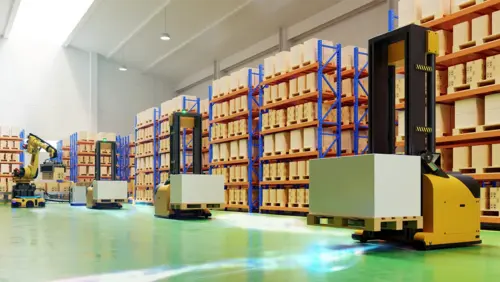
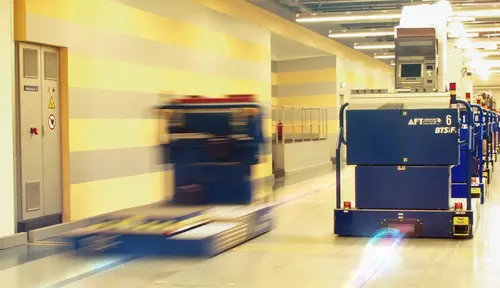
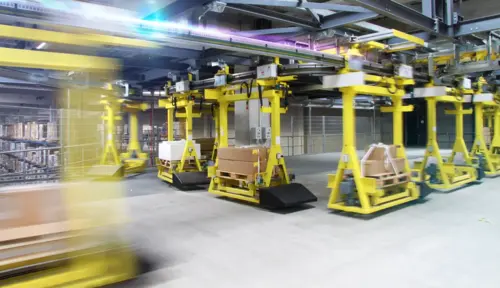
Driverless transport systems (AGVs) – also known as automated guided vehicles (AGVs) – are a core component of modern intralogistics and production automation. High-performance charging solutions for AGVs are a decisive factor in the availability, scalability and cost-effectiveness of automated material flows.
In many applications, AGVs now operate 24/7. Downtime due to empty batteries or charging problems can interrupt material flow and disrupt production processes. Therefore, the right energy supply plays a central role in the efficiency of automated transport processes.
Companies need an energy infrastructure that automates charging processes, minimises downtime and can be seamlessly integrated into existing fleet management and control systems. Choosing the right charging solution has a direct impact on OEE (Overall Equipment Effectiveness), TCO (Total Cost of Ownership) and long-term investment security.
There are two main approaches:
Both pursue the same goal: maximum availability with optimal energy supply. But which concept is suitable for which application?
Modern AGVs often perform transport tasks in continuous operation – for example, in manufacturing, intralogistics or distribution centres. This presents typical challenges:
Modern charging systems for driverless transport systems therefore combine several technologies, such as lithium-ion batteries (e.g. LFP or LTO), intelligent battery management systems (BMS), automated charging algorithms, energy management and fleet control, and contactless or contact-based charging infrastructure.
There are basically two established charging solutions for AGVs: in-motion charging and opportunity charging.

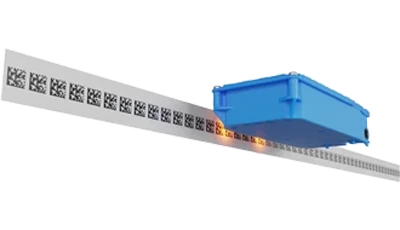
With continuous energy supply, energy is transferred while the vehicle is in motion – usually via inductive, contactless systems along the route.
In inductive systems, a primary cable is laid in the ground, which generates an electromagnetic field. The vehicle has a pickup (secondary coil) that picks up energy from this field without contact. The systems transfer energy using high-frequency technology and enable a continuous power supply along the route.

With opportunity charging, AGVs charge specifically during process breaks.
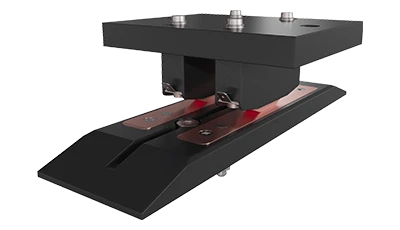
Energy is transferred via stationary charging contacts or docking stations located at strategic points along the route.
Typical charging times are:
The following criteria should be evaluated in order to make an informed choice of the optimal charging solution for AGVs:
A holistic assessment includes investment and operating costs, life cycle costs, productivity gains and sustainability aspects such as energy efficiency and CO₂ reduction.
The choice of the right energy concept depends heavily on the requirements of the respective application.
{{ selectedCountry.title }}