- Customer Hub
- Trade show
- Downloads
- Contact
-
Choose desired country organisation:
-
Choose your language:


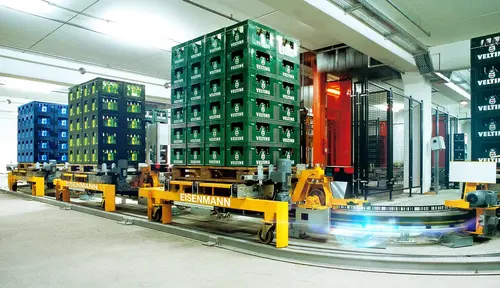
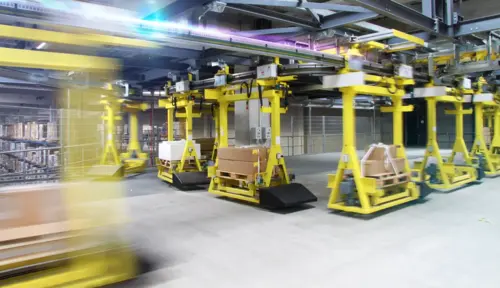
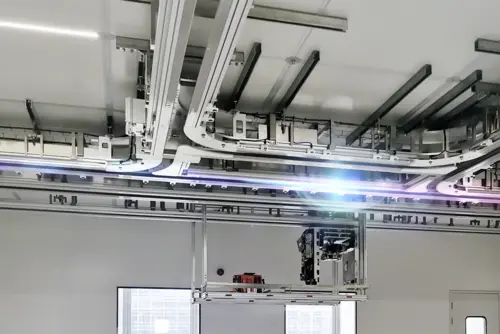
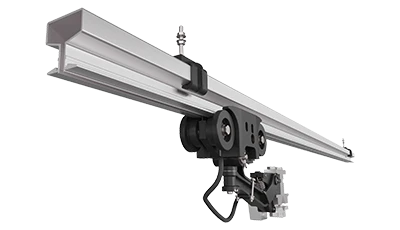
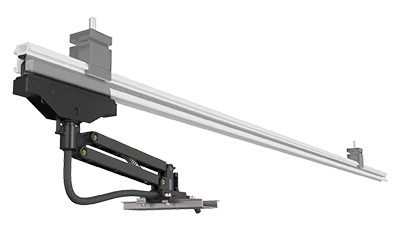
Conductor rail systems - often overlooked, yet essential. Since their invention over 100 years ago in Dortmund, these systems have powered the backbone of modern industry. From automated warehouses to production lines, they deliver energy and data to mobile consumers, ensuring seamless operations.
Yet myths persist. Misconceptions about maintenance lead to downtime, safety risks, and inefficiency - costing companies time and money.
We’re here to change that. Discover the 10 biggest myths about conductor rail maintenance - and learn how preventive strategies can increase system reliability, reduce costs and improve the safety of your infrastructure.
Many operators believe that conductor rail systems are completely maintenance-free.
Fact: This assumption can be expensive! Around 80 % of all failures are caused by a lack of cleaning and inadequate maintenance.
Dirt, dust and wear reduce conductivity, increase energy consumption and can even lead to system downtime, with high consequential costs.
Regular cleaning and maintenance extend the service life and ensure reliable operation. A customised maintenance plan helps to identify weak points at an early stage - before failures occur.
Many companies believe that the investment is not worthwhile.
Fact: Emergency repairs, production stoppages and delivery delays cause significantly higher costs than preventive measures.
Without preventive maintenance, risks and costs increase in the long term - short-term savings can be expensive.
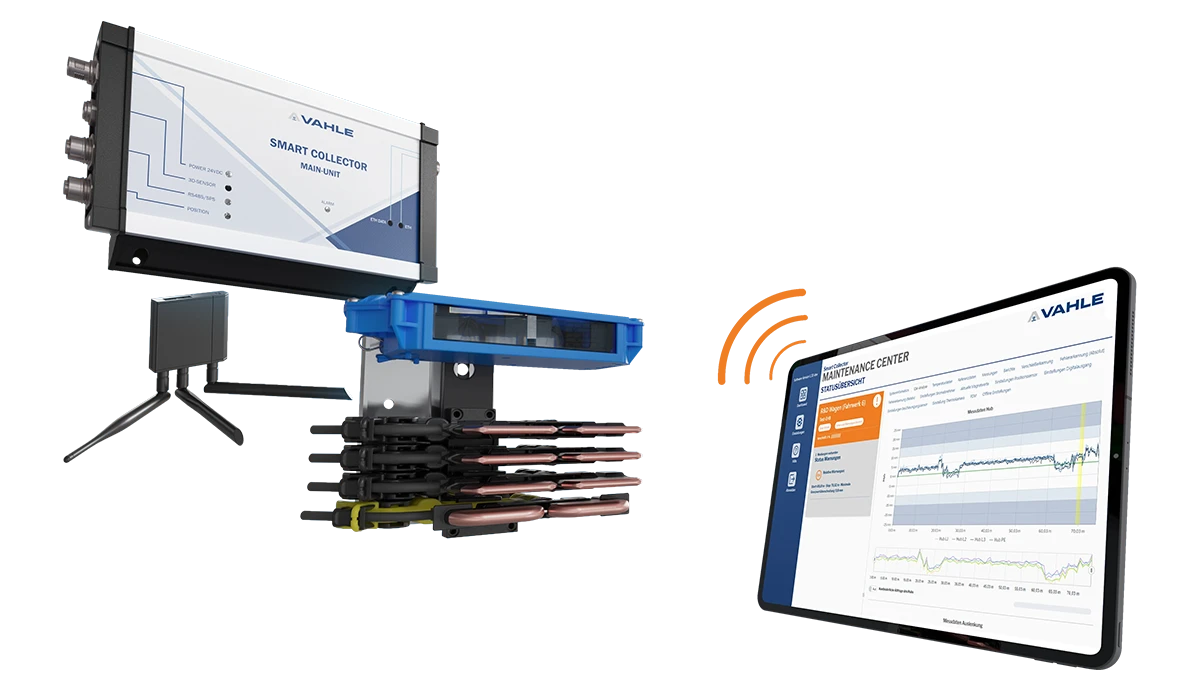
Preventive maintenance reduces the risk of expensive breakdowns, lowers operating costs and increases plant efficiency. Digital tools enable targeted planning and efficient use of resources.
Many only react when faults occur.
Fact: If you only act in an emergency, you risk unplanned downtime and inefficient processes.
Signs of wear and potential faults remain undetected until costly breakdowns occur.
Regular inspections detect problems at an early stage, improve reliability and optimise the use of spare parts.
The result: predictable maintenance windows and greater process efficiency.
New systems are often considered maintenance-free.
Fact: Even new conductor rail systems can have malfunctions or installation errors.
Fine adjustments and initial wear checks are crucial to avoid subsequent failures.
Integrate new systems into a maintenance plan right from the start. Early maintenance stabilises performance and extends service life.
After repairs, it is often assumed that the problem has been permanently solved.
Fact: Without subsequent inspections, consequential damage can remain undetected.
Hidden damage can impair operational safety.
Schedule regular inspections and functional tests after every repair. This allows hidden defects to be recognised and rectified at an early stage.
Many rely solely on the warranty.
Fact: Damage caused by inadequate maintenance is usually excluded.
Relying on the warranty alone can lead to unplanned breakdowns and additional costs.
Be proactive, understand the limits of your warranty and carry out regular maintenance. This will ensure performance and minimise risk.
Older systems also offer efficiency potential.
Fact: Consumption and costs can be significantly reduced through maintenance and targeted upgrades.
Without optimisation, energy saving potential remains untapped.
Regular inspections, modernisation and data-based analyses increase efficiency and reduce operating costs - without a complete replacement.
The size of the system does not determine the importance of maintenance.
Fact: Even smaller systems perform critical tasks in the overall process.
Neglected small systems can affect the entire operation.
All systems should be included in the maintenance plan to avoid breakdowns.
A functioning system does not mean that there are no problems.
Fact: Hidden defects such as wear or material fatigue often go unnoticed.
Undiscovered weak points lead to costly failures later on.
Regular inspections and cleaning recognise small weak points at an early stage and ensure the longevity of the systems.
Maintenance only during high utilisation is not enough.
Fact: Even in quieter phases, maintenance is crucial to prevent malfunctions.
If you only carry out maintenance when under load, you risk unplanned breakdowns at unfavourable times.
A year-round maintenance plan ensures that systems are always ready for use. Regular inspections increase operational reliability and prepare systems for peak loads.
{{ selectedCountry.title }}