














Shore power for HADAG ferries: VAHLE develops a mobile power supply system in the Port of Hamburg
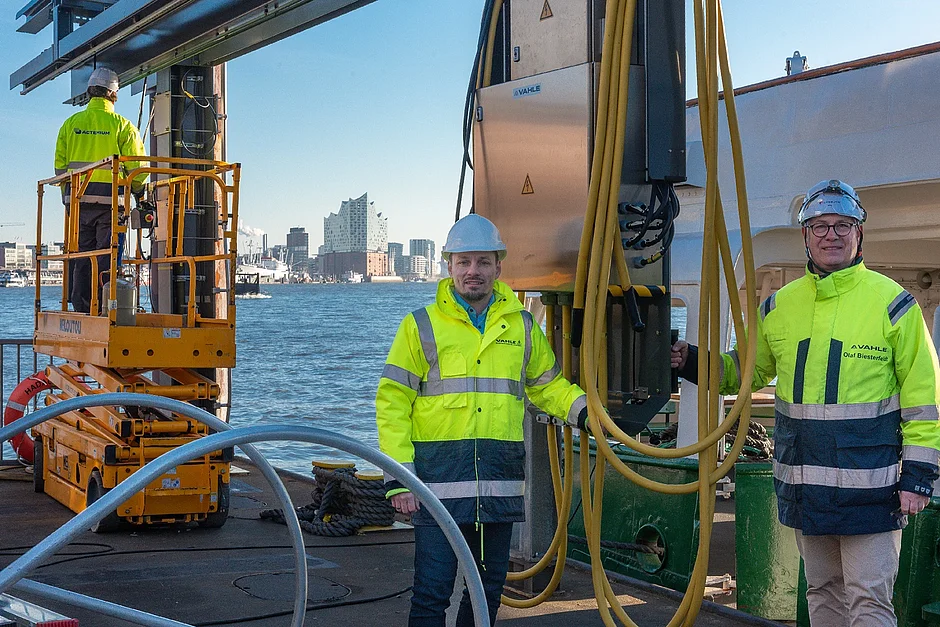
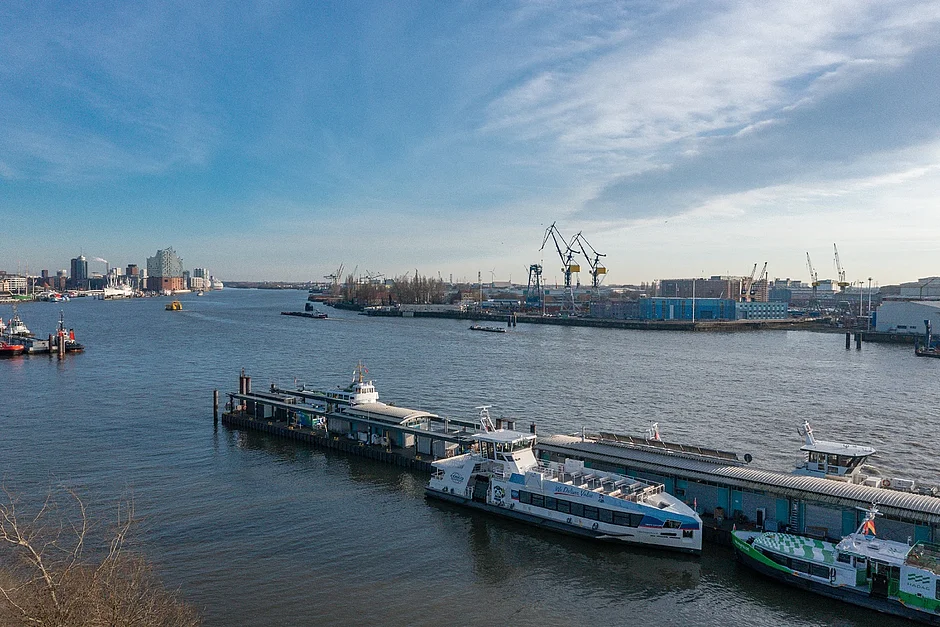
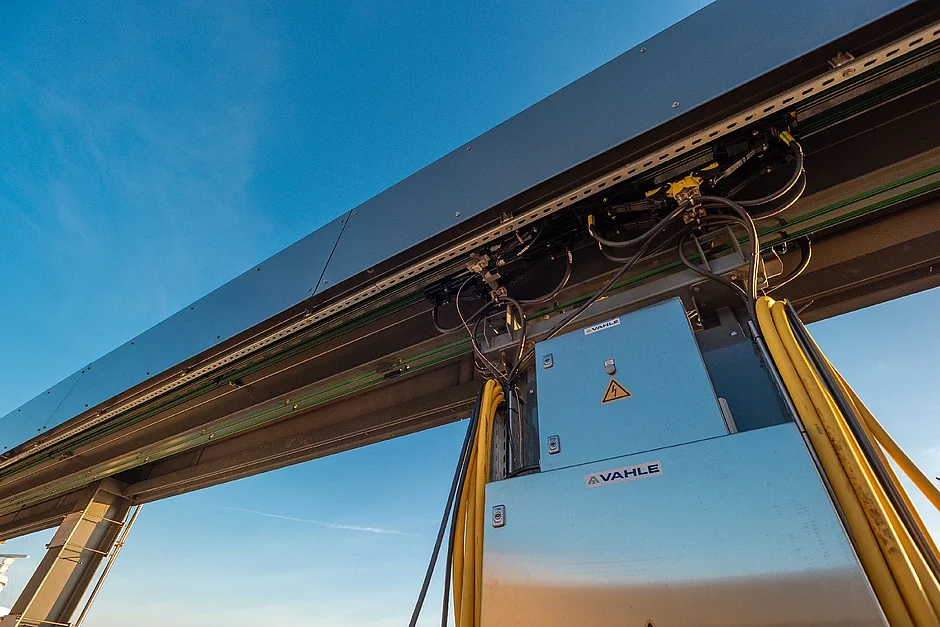
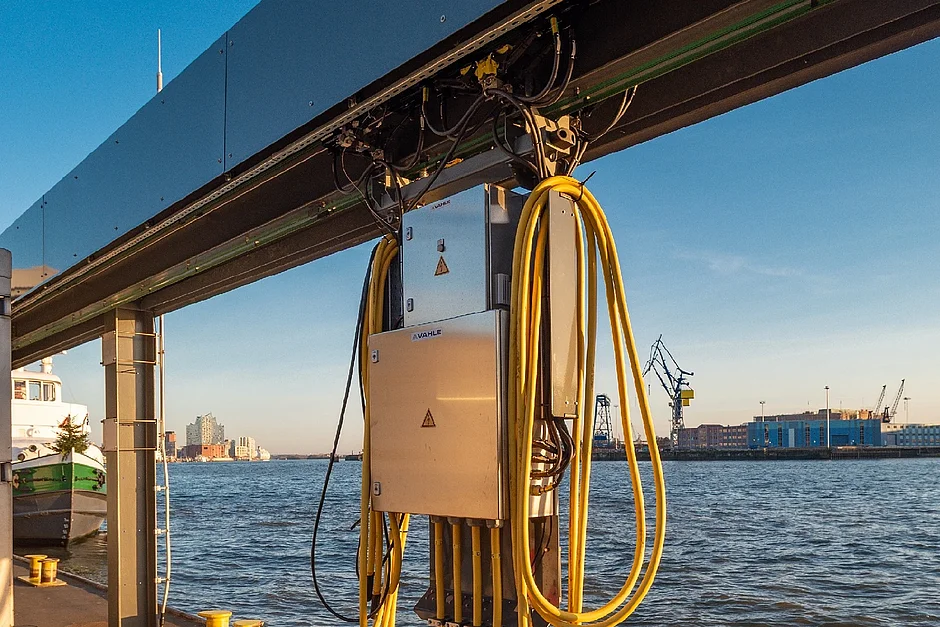
A flexible shore power solution for floating ferry terminals, providing emission-free power supply whilst the vessels are berthed. The system combines power, control and data transmission.
VAHLE has developed a mobile shore power solution for the ferries operated by HADAG Seetouristik und Fährdienst AG in the Port of Hamburg. The system enables the ships to be powered by emission-free electricity whilst berthed. The system provider for mobile industrial applications has designed the infrastructure specifically for floating ferry terminals on the Elbe, ensuring it compensates for movements caused by tides and currents.
“In future, the shore power solution will replace on-board generators whilst the vessels are berthed in port, thereby significantly reducing emissions and noise during port operations,” says Olaf Biesterfeldt, sales representative for Northern Germany at VAHLE.
The HADAG fleet comprises 27 vessels and connects key public transport hubs, including the Landungsbrücken, Blankenese and the Elbphilharmonie. In future, the ferries will be able to operate without running diesel generators whilst berthed. The new infrastructure is being developed as part of the expansion of shore-side power supply in the Port of Hamburg and forms part of the location’s long-term climate strategy.
The technical implementation posed particular challenges: the berths are located on floating pontoons, whose position is constantly changing due to tides and currents. As a result, both the connection height and the distance between the vessel and the infrastructure vary. “We have therefore developed a movable power supply system that flexibly brings the connection to the respective ferry whilst ensuring safe power transmission,” explains Biesterfeldt.
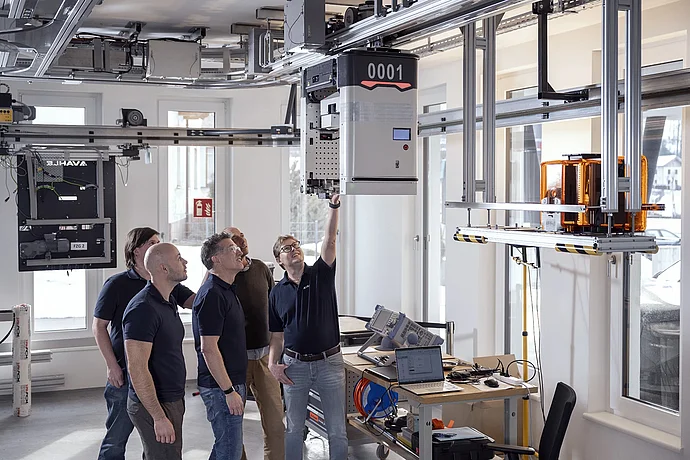
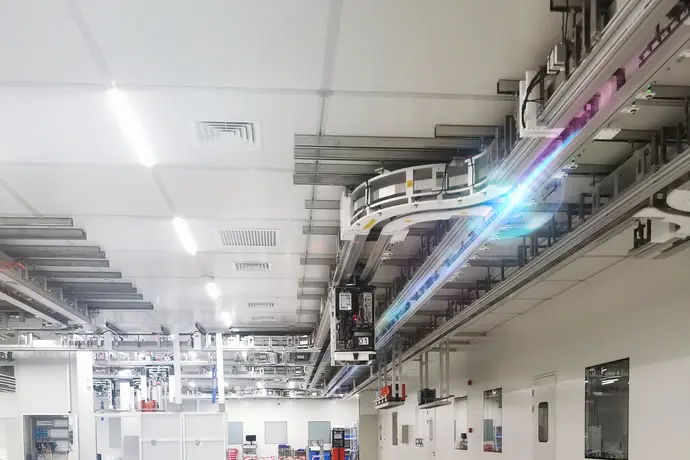
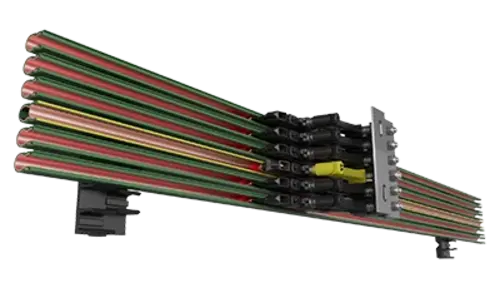
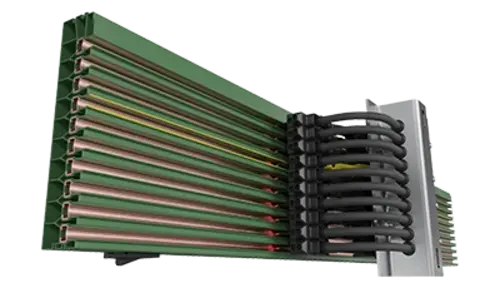
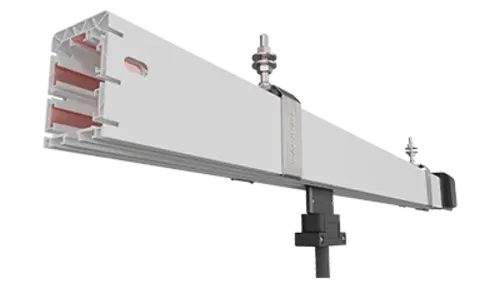
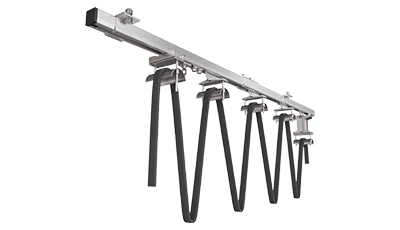
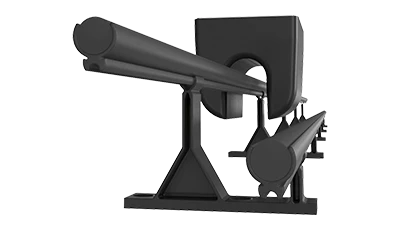
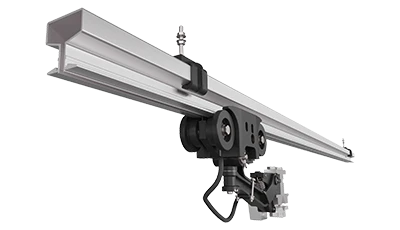
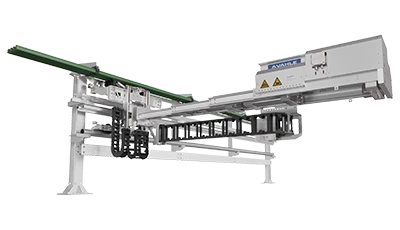
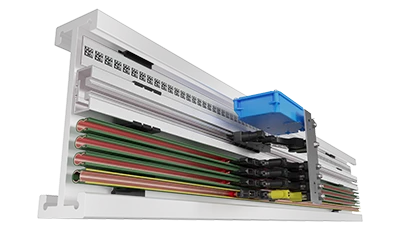
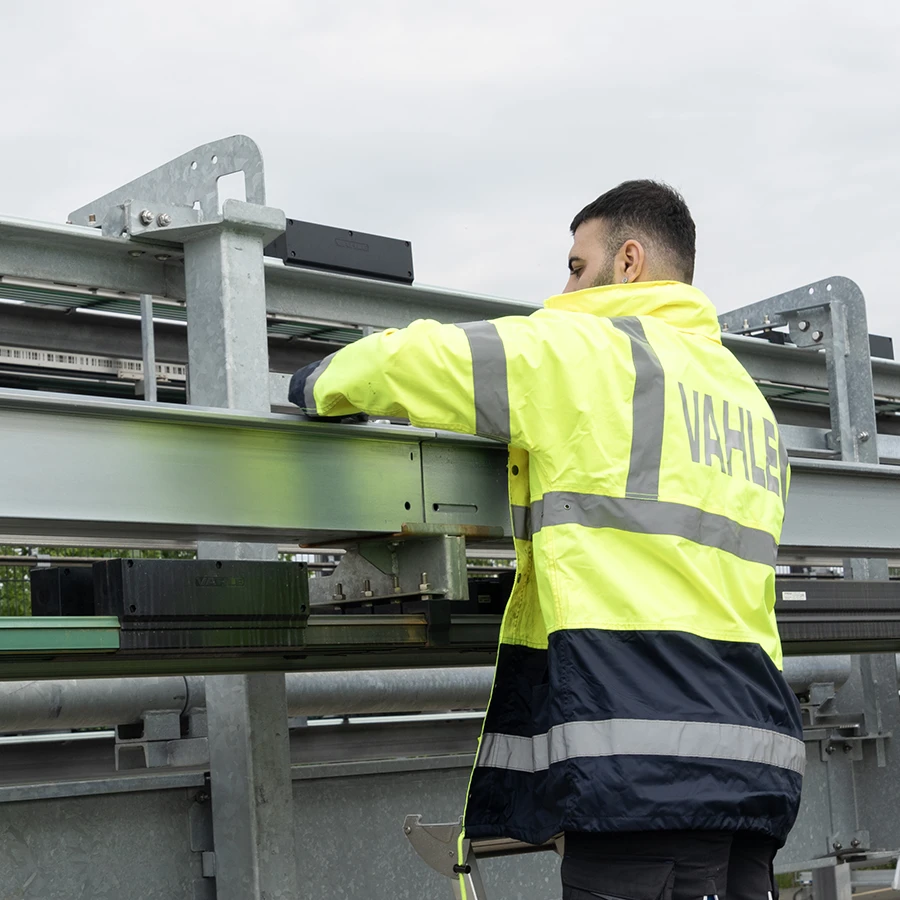
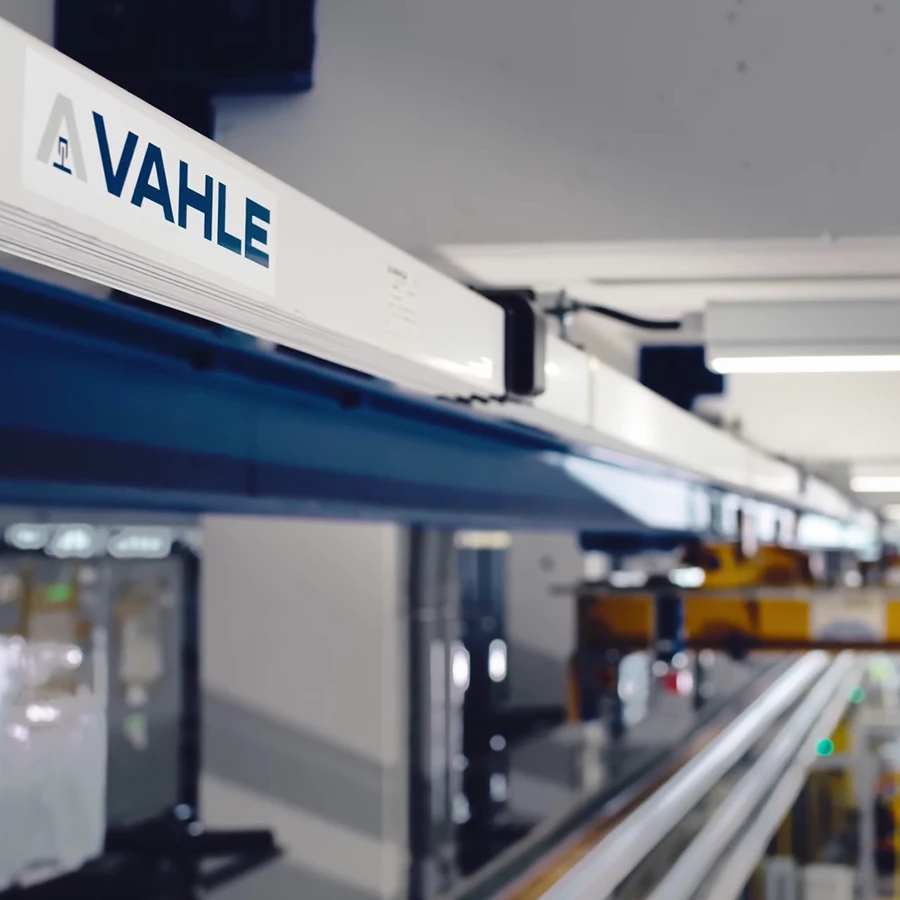
The technological basis is a proven VAHLE technology: the so-called “Stinger system” routes the conductor rail overhead, thereby moving it out of the working area. This prevents tripping hazards, accidental contact with electricity and collisions. Originally developed for maintenance areas of suburban and underground railways, the technology was adapted for maritime use with a high-performance three-phase power supply. “Three-phase systems can transmit significantly higher power than single-phase systems. This is ideal for the requirements of modern ships,” explains Biesterfeldt.
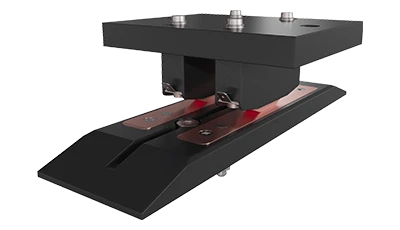
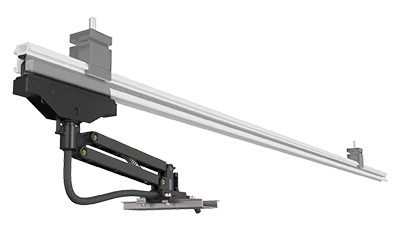
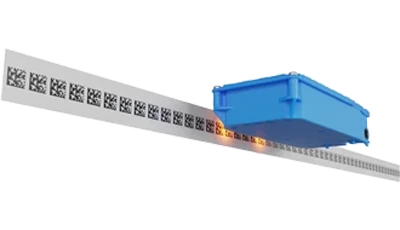
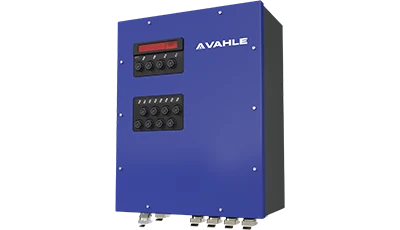
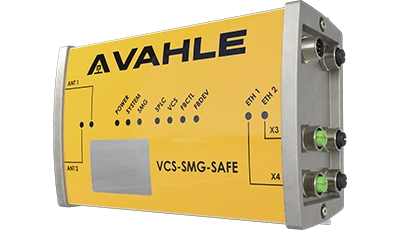
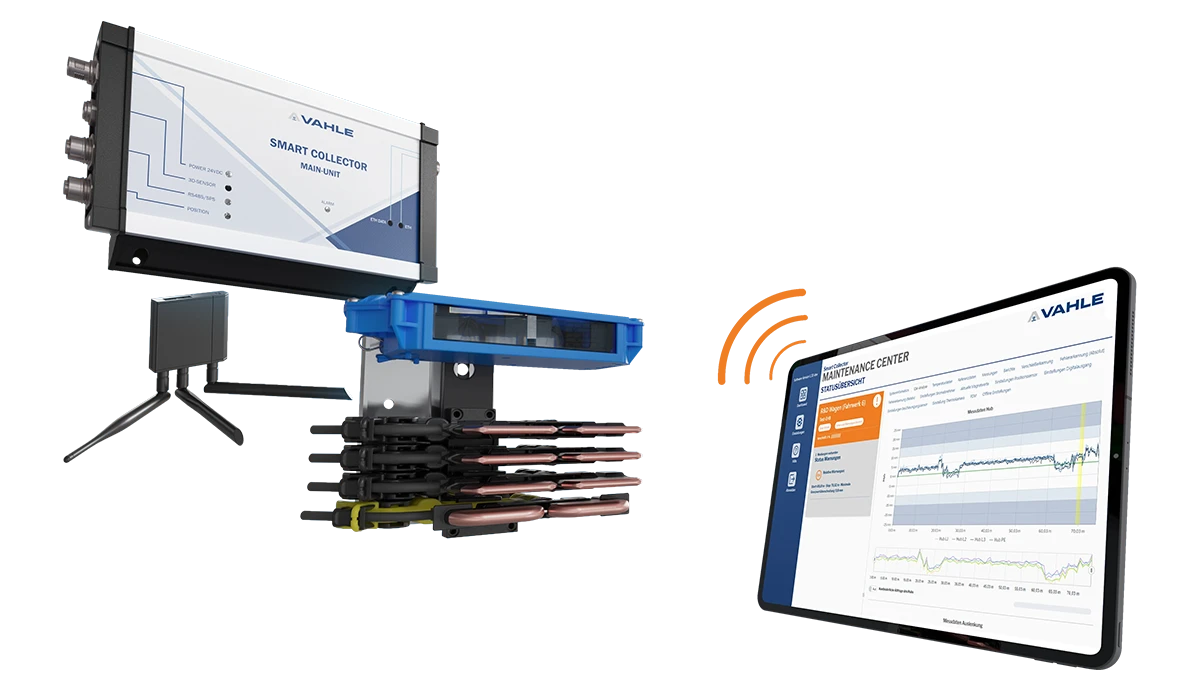
The system developed extends for around 30 metres along the pontoon. A mobile trolley brings the power connection precisely to the position of the respective ferry and compensates for movements between the ship and the landing stage. The main busbar transmits power of up to 860 amps at 400 volts, which will eventually also enable the charging of fully electric ferries. In addition to the power supply, the solution integrates control and data transmission systems that ensure reliable operation.
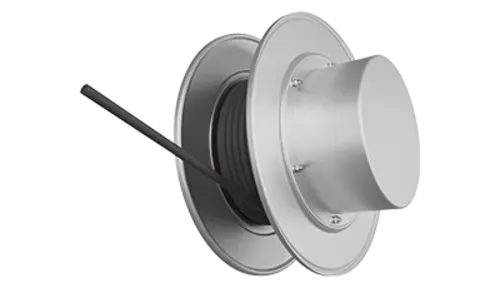
Another key focus was on practical handling in day-to-day ferry operations. To reduce the workload on ferry staff, VAHLE integrated industrial balancers into the mobile system. These support the weight of the connection components and enable ferry operators to guide the connection to the power supply and dock it there with minimal effort. Sergej Nickel, Head of Project Engineering at VAHLE, says: “The system must prove its worth in everyday use. The crews should not have to drag heavy cables.”
For the implementation, VAHLE worked closely with the main contractor Actemium Cegelec Mitte GmbH. Whilst VAHLE developed and supplied the movable infrastructure for power, control and data transmission, Actemium was responsible for the overarching electrical integration and the connection to the shore-side power supply. “The collaboration was clearly structured and based on partnership,” says Nickel.
Four berths in the Port of Hamburg are currently equipped with the new shore power technology. Looking ahead, this infrastructure will continue to grow in importance: from 2027, HADAG plans to deploy fully electric ferries, whose batteries are to be charged whilst the vessels are berthed.
Shore power systems are regarded as a key infrastructure measure for the decarbonisation of port transport. With a view to the increasing expansion of Green Ports, VAHLE sees the project as a benchmark for similar applications in international ports.