Industries
VAHLE Crane Electrification
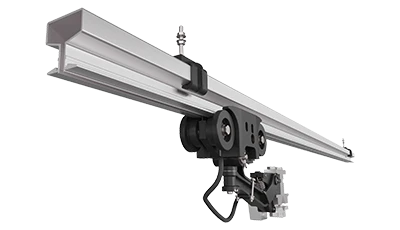
Crane electrification systems built for automation & control

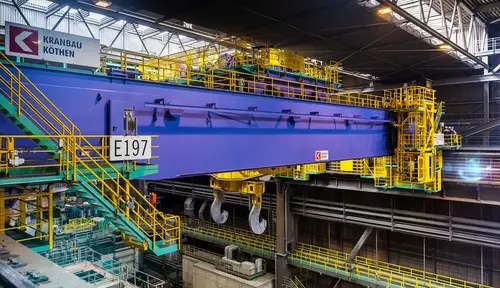
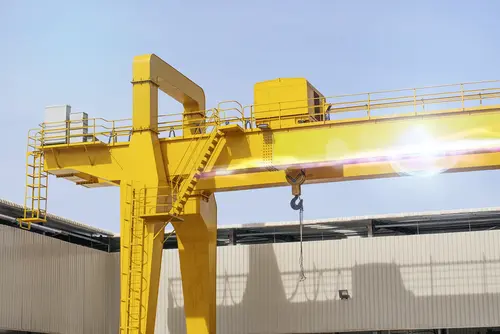
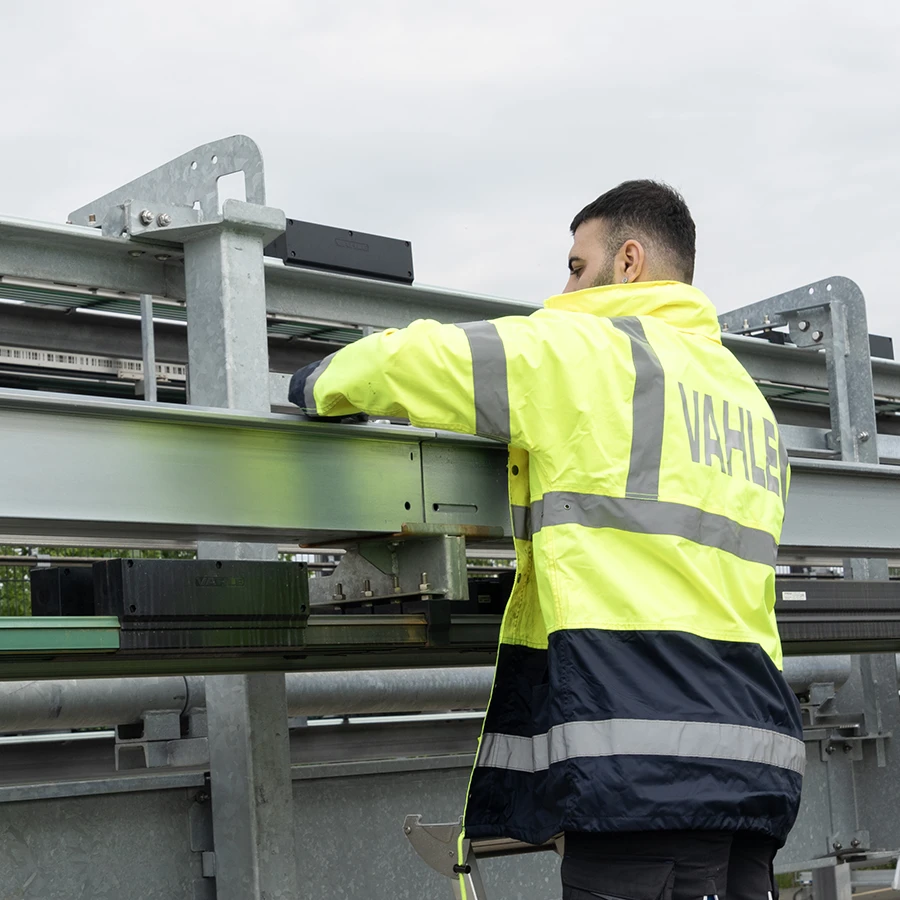
VAHLE Inc. provides crane electrification systems for steel mills, scrap yards, ports and precast plants across North America, delivering reliable power and data transmission for overhead, process, gantry and heavy-duty cranes.

Discover solutions
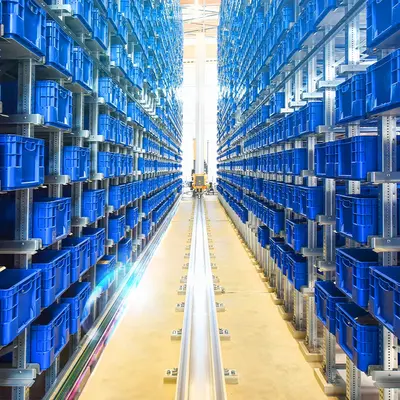
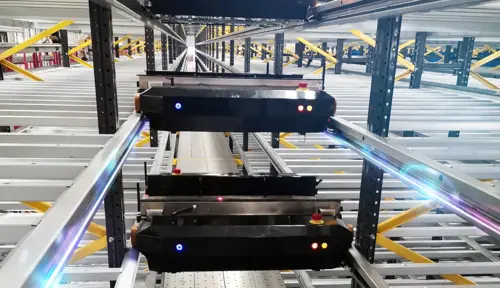
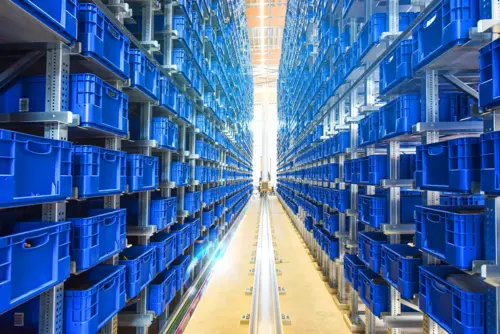
VAHLE Intralogistics automated small parts warehouse (AKL)
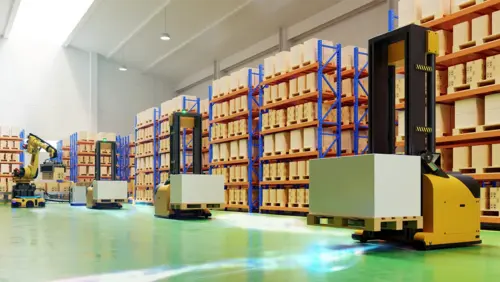
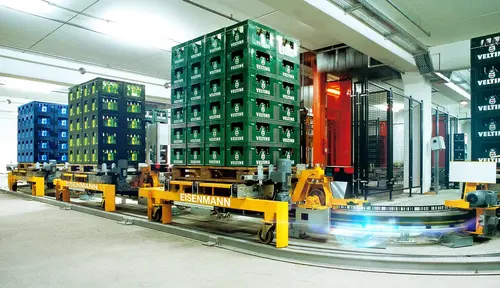
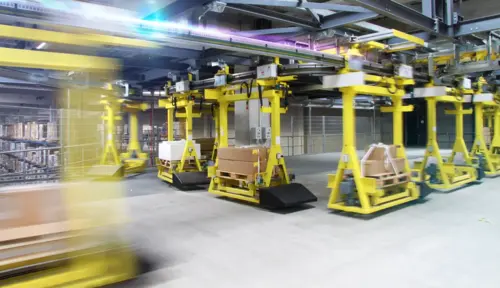
Automated conveyor technology for internal material flow

Higher production volumes, fast order cycles and tight delivery windows are driving the need for partially or fully automated intralogistics in modern warehouses and distribution centers.

Discover solutions
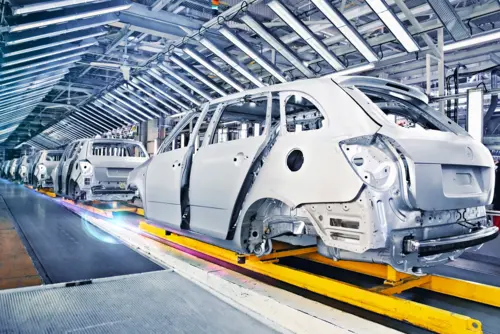
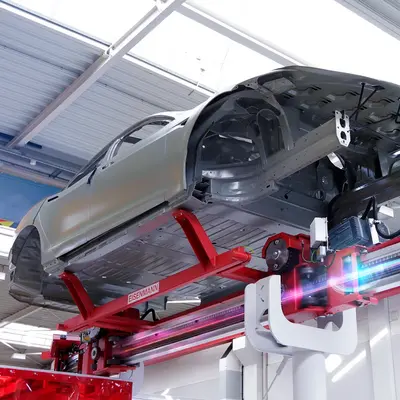
VAHLE Automotive electrified monorail system (EMS)
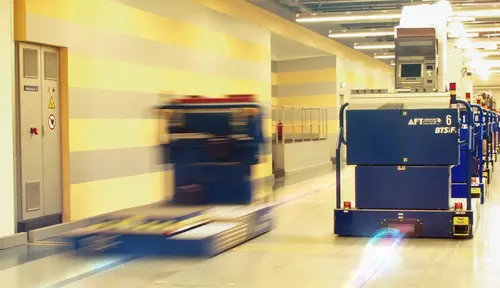
Innovative solutions for flexible production processes

Adaptable manufacturing processes are the key to maximizing efficiency in vehicle production. VAHLE solutions for energy and data transmission make a significant contribution to this.

Discover solutions
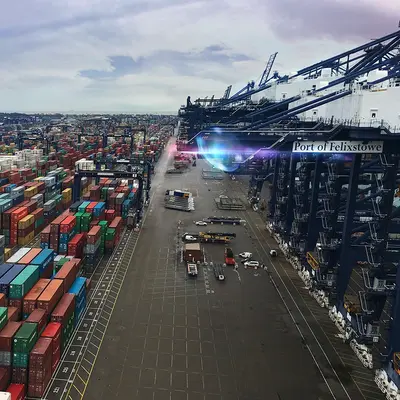
VAHLE Port Technology
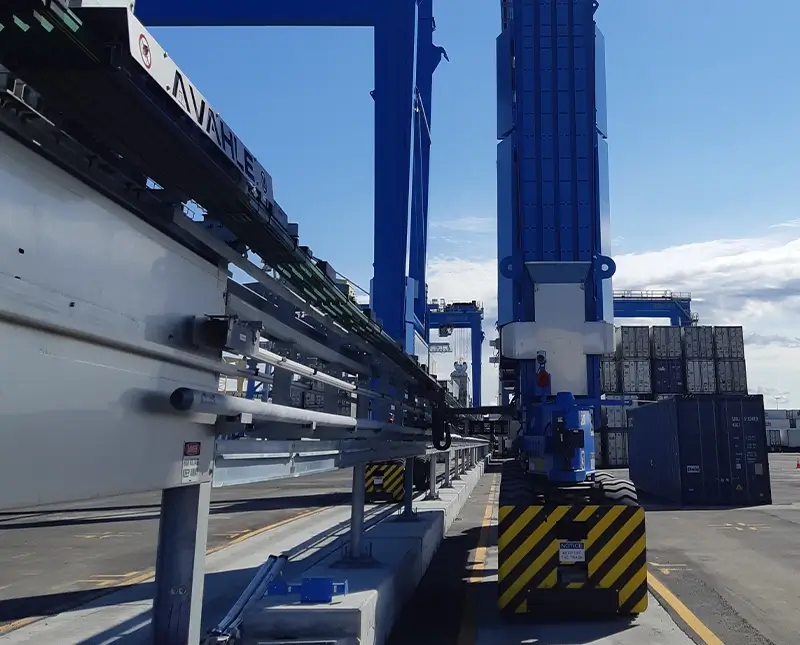
Port Electrification for U.S. Terminals

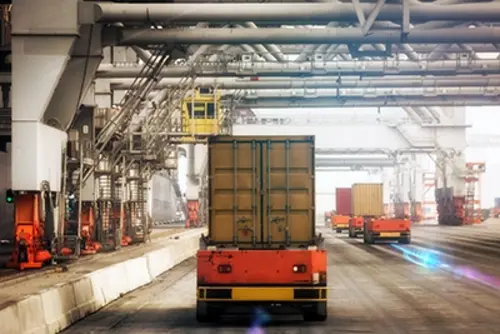
U.S. ports are moving toward electrified, lower-emission terminal operations. VAHLE Inc. delivers reliable power and data solutions for STS, RTG/eRTG, and RMG cranes and automation-ready port equipment — built for uptime in harsh coastal environments.

Discover solutions
VAHLE Amusement Rides Ferris wheel
Amusement Ride Electrification for North America

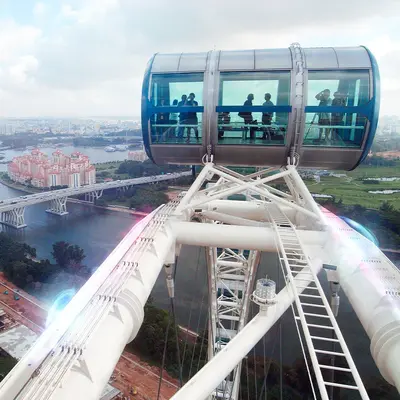
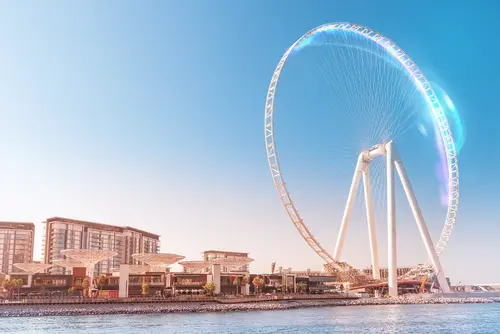
VAHLE delivers reliable power supply, data communication, and positioning solutions for amusement rides across North America, supporting safe operation and high uptime for roller coasters, dark rides, Ferris wheels, and towers.

Discover solutions
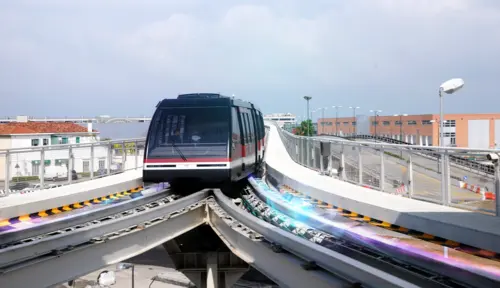
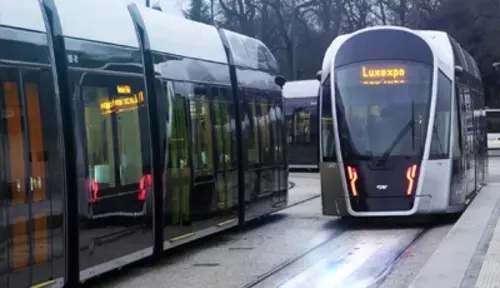
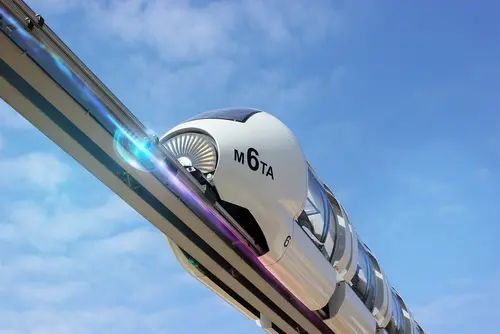
Automated transportation systems for the mobility of the future

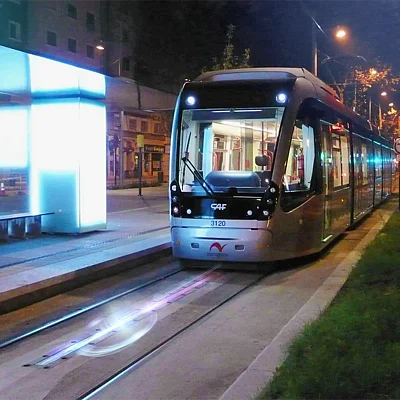
Streetcars, sky trains and rolling sidewalks are the future of resource-saving mobility. Many manufacturers rely on components from VAHLE for their designs.

Discover solutions
VAHLE General Industry
Electrification Systems for Specialty Mobile Applications

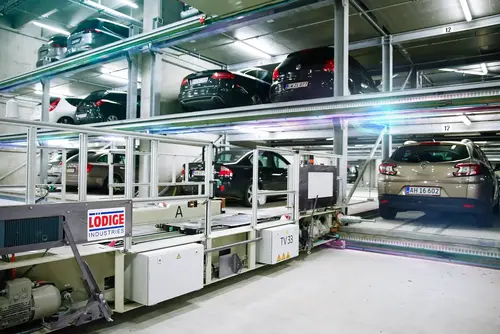
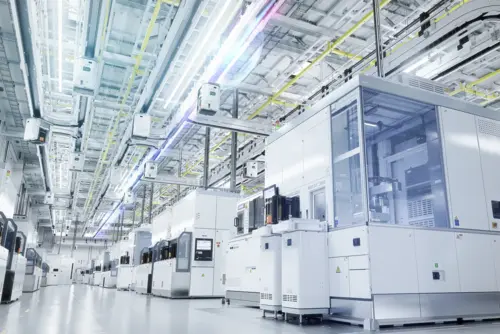
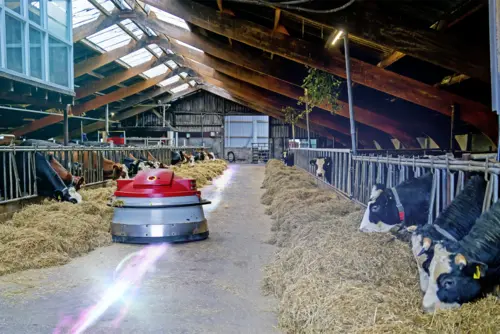
VAHLE Inc. delivers reliable power and data solutions for specialty mobile systems, from automated parking and stadium roofs to cleanroom and agricultural applications, engineered for uptime.

Discover solutions
Products
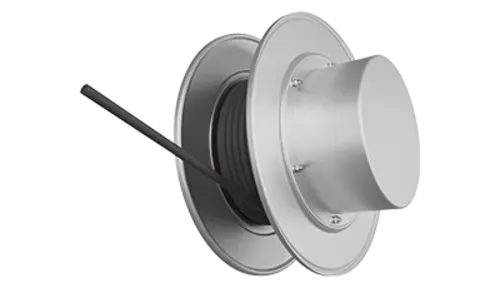
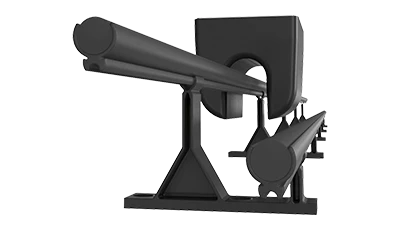
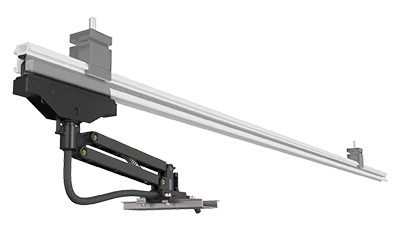
VAHLE data transmission
Interference-free & secure data transmission

Our slotted microwave guide technology ensures reliable performance in environments where wireless interference, vibration and contamination would compromise conventional systems.

Solutions for data communication
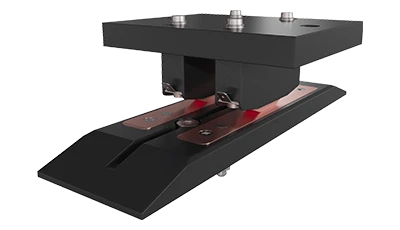
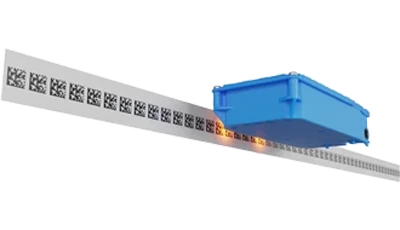
VAHLE Positioning
Immediate & precise positioning technology

Our robust vPOS systems are available in magnetic and optical variants, allowing optimal adaptation to environmental conditions, installation space and performance requirements.

Positioning solutions
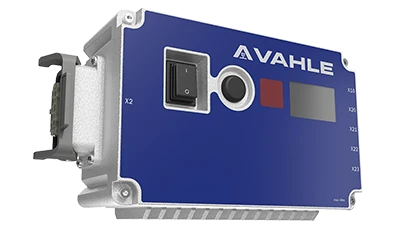
VAHLE control unit
Scalable motion control for mobile equipment

The modular design of vDRIVE allows flexible configuration for both new installations and modernization projects by integrating seamlessly into industrial automation environments.

Control solutions
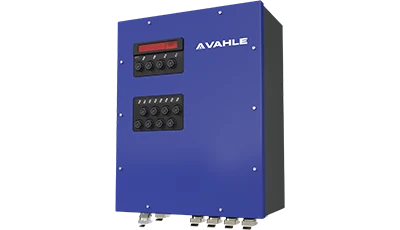
VAHLE system solution
Coordinated System Architecture for Mobile Applications

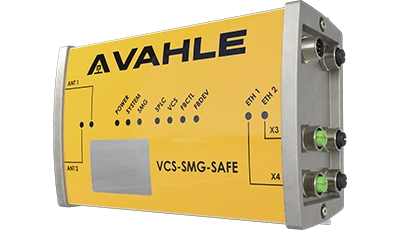
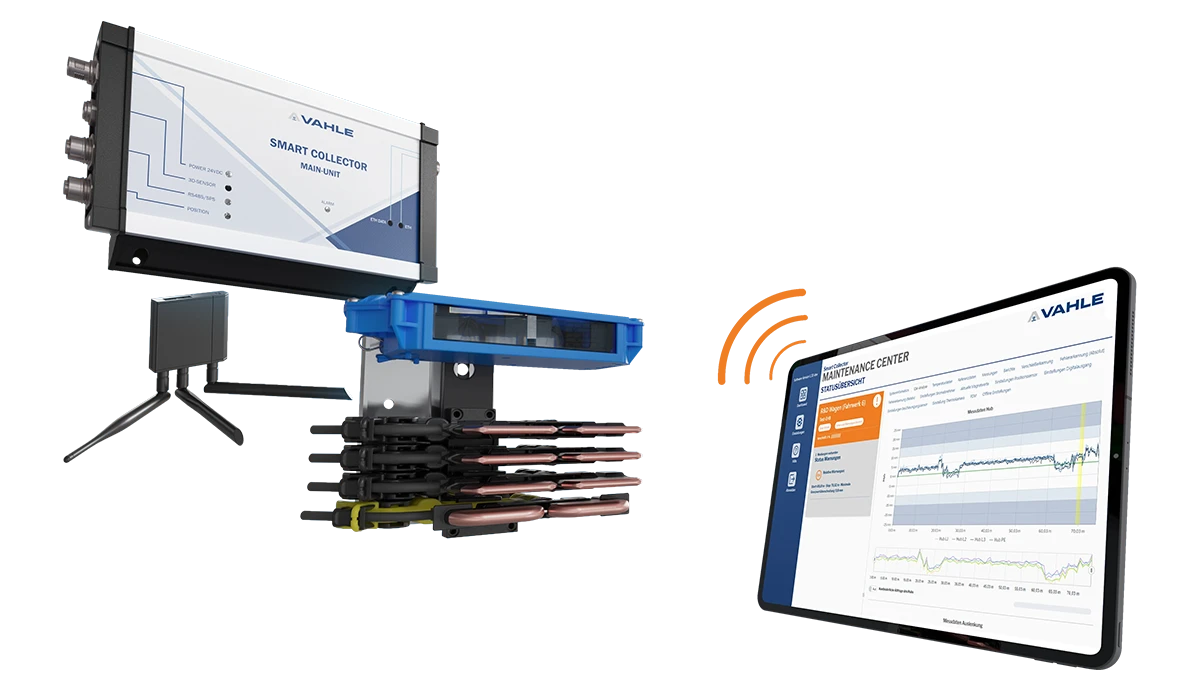
With our integrated electrification system solutions, we offer a perfectly coordinated product combination of energy transmission, data communication, positioning and control for a wide range of applications.

Discover integrated system solutions
Services
VAHLE Services
VAHLE is your reliable service partner for preventive maintenance, fast repairs and proactive support. With our VAHLE Protect maintenance contracts, you can ensure the long-term trouble-free operation of your systems. Ready for use worldwide - for minimum downtimes and maximum process reliability.
The company
VAHLE Company
Who are we? Where do we come from? And where are we going? On our company pages you can find out everything about the VAHLE Group and its history, current events and successful customer stories. And of course you will also find information about where to find us and how to reach us.
Career
VAHLE Career
Take a look behind the scenes of a family business. In our careers section, you can find out all about everyday working life and job profiles at the VAHLE Group, our training and further education opportunities and current vacancies. And don't be shy: we are always on the lookout for new, motivated colleagues!
Zero emissions in ports

The way to the Green Port Terminal

Decarbonization and net zero emissions are not just buzzwords, they are highly relevant to society. They require new ways of thinking and processes to enable their realization and implementation. Industrial companies play a decisive role in this and make a significant contribution to tackling the challenges and exploiting the associated potential and opportunities to turn this vision into reality.

Innovations and technologies make this change possible. Particularly in the world's port terminals, the hubs of global goods traffic, the increasing handling of consumer goods has led to a rise inCO2 emissions in the past.

However, terminals, global port operators and the entire associated industry have been pursuing the goal of achieving net zero emissions and making container handling sustainable for some time now.
Explanation of the terms "Net Zero" and "Zero Emission"

What does Net Zero actually mean?

Net zero describes the state in which man-made greenhouse gas emissions are in global balance with the emissions that are removed from the atmosphere. By achieving net zero emissions, the global carbon cycle is brought back into balance.

So what is zero emission?

This term refers to the elimination of emissions of pollutants or greenhouse gases. The designation as zero emission clearly indicates that no harmful emissions are released into the environment in the application or process. This can be achieved, for example, by using emission-free technologies such as renewable energies, electric vehicles or efficient production processes.

What is decarbonization and why is it important for zero emissions?

Decarbonization refers to the process of reducing or eliminating carbon emissions, especiallyCO2, in various sectors such as energy generation, industry, transport and buildings. In the context of Zero Emission, decarbonization plays a central role as it is an essential part of reducing greenhouse gas emissions to zero.

What does Net Zero mean for our environment and society?

Achieving net zero is crucial to limiting the effects of climate change and protecting the environment so that our world remains liveable for future generations. By reducing greenhouse gas emissions, companies and societies are helping to slow down global warming and safeguard the quality of life of future generations.

How do ports and zero emissions fit together?

In terms of ports, this means that container terminals are striving to drastically reduce theirCO2 emissions and at the same time take measures to offset the remaining emissions. Technologies such as electrified conveyor units, zero-emission terminal vehicles and renewable energy sources play a crucial role in this.

What is the global trend towards net zero and zero emissions?

There is a strong global trend towards reducing emissions in industry. Companies are increasingly focusing on renewable energies, energy efficiency measures and switching to low-emission technologies. Initiatives such as the EU's Green Deal are driving this change and setting clear targets for companies and entire countries.

Efforts of the EU

"The Green Deal" and Germany's greenhouse balance sheet

With the Green Deal, the European Union has set itself ambitious targets to become climate-neutral by 2050. The Green Deal comprises a wide range of measures, including promoting renewable energies, increasing energy efficiency and promoting sustainable mobility.

Current figures from Germany(Federal Environment Agency) show that the country emitted 10.1 percent fewer greenhouse gases in 2023 than in the previous year, mainly due to measures such as the expansion of renewable energies.

Net Zero in container terminals

How important is Net Zero in ports?

The transition to Net Zero in container terminals holds immense opportunities and potential for a more sustainable and cleaner future. By implementing environmentally friendly technologies and processes, container terminals can become pioneers in creating a sustainable economy.

Switching to Net Zero enables container terminals to drastically reduce their environmental impact. By using renewable energy and optimizing energy and resource consumption, they can make a positive contribution to climate protection and minimize their environmental impact.

How useful is Net Zero in ports?

Net Zero measures promote the future viability of container terminals by relying on innovative technologies such as autonomous driving, IoT (Internet of Things) and artificial intelligence.

The automation of processes not only improves efficiency, but also increases staff safety and process reliability. By optimizing operations and using efficient technologies, container terminals can reduce costs and increase their competitiveness. The reduction of energy consumption and the efficient use of resources lead to considerable savings and sustainable economic growth.

How sustainable is Net Zero in ports?

In the end, it is the emissions saved that count, making a port a Net Zero terminal. Avoiding greenhouse gas emissions and other harmful emissions not only contributes to climate protection, but also improves the quality of life in the surrounding communities and supports long-term sustainability.

Overall, Net Zero measures in container terminals offer a wide range of potential for a clean, efficient and future-proof port infrastructure. Through targeted investment in sustainable solutions, container terminals can make a significant contribution to achieving climate targets and shaping a green, sustainable future for generations to come.

How can a port terminal become a Green Port?

A terminal operator can transform its port into a green port by setting clear and transparent targets, introducing low-emission technologies and modernizing the infrastructure. Progress can be achieved through partnerships and regular monitoring.

There are many opportunities, such as converting diesel generator-powered cranes and systems into efficient, automatically controllable applications. Of course, this is just one of many measures to transform a port into a forward-looking and sustainable green port.

What are possible approaches to reducing emissions?

Contributing to a greener industry by reducing emissions can be achieved through various automation technologies. These include the electrification of RTG cranes and the implementation of busbar-based systems that can reduce emissions.

Furthermore, solutions for the energy and data supply of STS cranes and container gantry cranes as well as powerful battery charging contacts for AGVs are relevant. These technologies enable more efficient energy transmission and thus help to reduce pollutant emissions, which in turn contributes to a more environmentally friendly industry.

What impact does Zero Emission have on port operators?

Zero-emission initiatives can have both positive and negative effects on a company's profitability. Switching to zero-emission technologies can lead to long-term cost savings through efficiency gains and give companies a competitive advantage by positioning themselves as environmentally conscious and taking advantage of regulatory benefits.

However, the transition requires significant initial investment, which can lead to financial burdens in the short term, and can lead to business disruption and uncertainty.

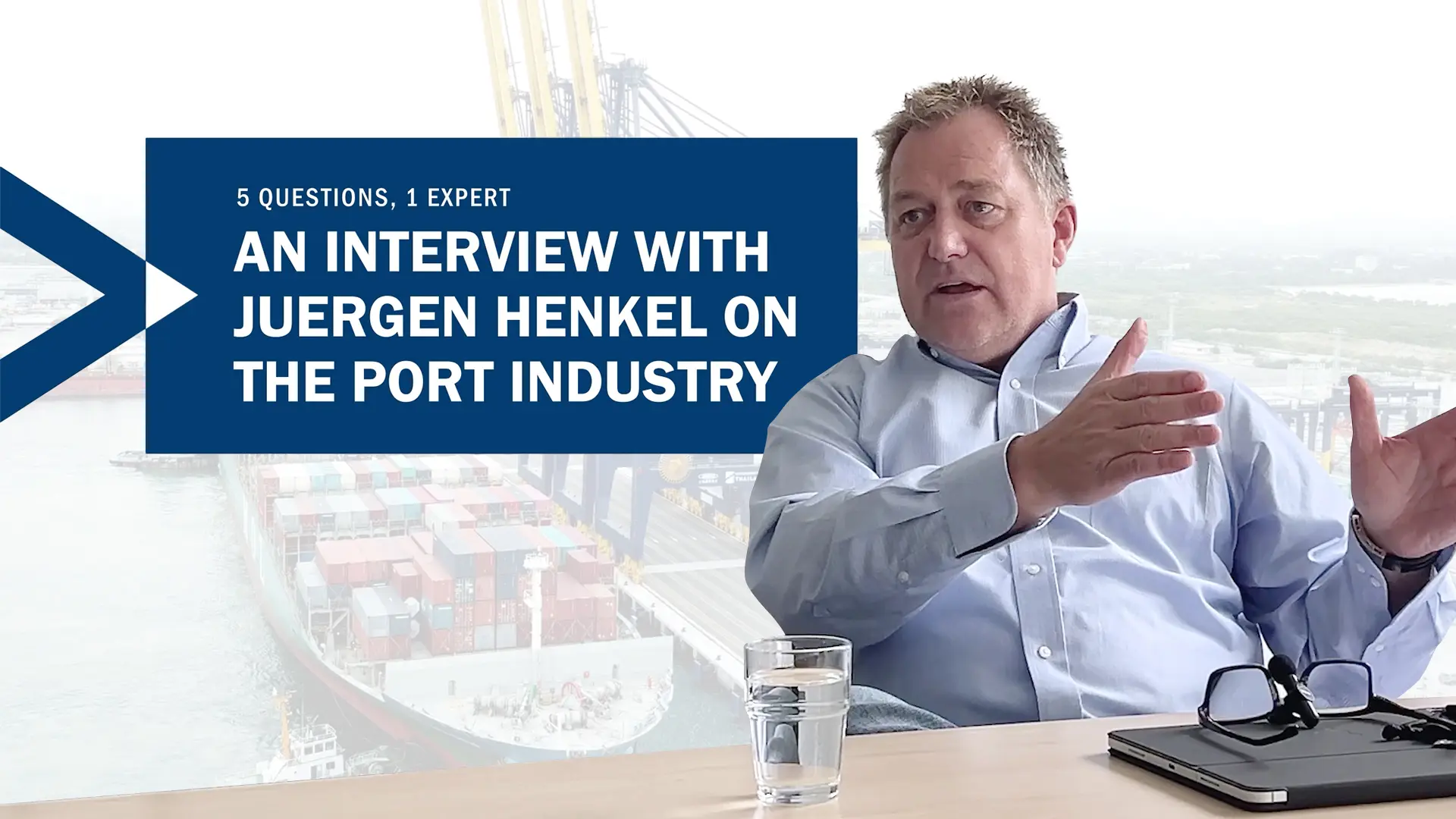
5 Questions, 1 Expert

Jürgen Henkel on the development of port terminals

Challenges in the transformation to zero-emission operation

Financial challenges

Financial aspects play an important role in the green port transformation. Although initial investments in sustainable technologies can be a burden, these costs are amortized through a quick ROI. In addition, green ports benefit from government incentives and funding programs that further reduce the financial burden. Investments in sustainable technologies are therefore not only ecologically sensible, but also economically advantageous and profitable in the long term.

Technological obstacles

Technological barriers must be overcome, for example by modernizing energy and automation solutions for conveyor and crane applications and by implementing modern infrastructures.

Regulatory complexity

Regulatory hurdles can also significantly hinder the transition to sustainable practices. The complex legal framework and compliance requirements can delay or even prevent the implementation of green initiatives. At the same time, the seamless integration of alternative energy sources such as renewable energy and electromobility poses a significant challenge.

Infrastructural barriers

Infrastructural and dimensional challenges are crucial. The size and complexity of port operations cause additional difficulties, particularly due to space problems and the historically grown terminal areas.

Training intensity

The intensity of training and the commitment of staff are crucial to the success of the transition to zero emissions, but also require a strong commitment, increased awareness and a convincing attitude towards the goal of zero emissions.

Cultural barriers

Social and societal aspects must also be taken into account in order to promote the acceptance of zero-emission measures.

Together we solve challenges

Your Vision. Our Solution.

Contact us

Enablers for sustainability

Energy transmission and data communication solutions for mobile applications play a crucial role in reducing emissions in industrial areas such as container terminals. Historically, mobile applications such as cranes have caused a significant amount of emissions, especially through the use of diesel generators or fossil fuels.


In view of rising energy costs and growing environmental awareness, the transformation of ports and industrial sites into environmentally friendly goods handling locations is of great importance. The development of green ports has made a significant contribution to reducing emissions in recent years.


Supporting the automation and modernization of port infrastructures with reliable solutions for energy and data transmission, positioning and control also contributes to sustainability. The focus here is on making processes more efficient and environmentally friendly.

The use of energy transmission and data communication for mobile applications contributes significantly to making ports and industrial sites more sustainable. Historically, mobile applications such as cranes have been significant sources of emissions, especially when powered by diesel generators or fossil fuels. The research and development of new technologies to improve industrial energy supply is an important step towards sustainability.


In view of rising energy costs and increasing environmental awareness, the switch to environmentally friendly locations for ports and production lines is becoming increasingly important. The development of green ports has made a significant contribution to reducing emissions in recent years. The ongoing automation and modernization of port infrastructures, including technologies such as autonomous driving and remote-controlled cranes, play a crucial role in reducing environmental impact.


A variety of innovative system solutions are currently being developed to meet the requirements of tomorrow's ports. In addition to technical support, services such as training and maintenance are also offered to ensure long-term partnerships and meet customer needs.

Many different measures in and around the container terminal ensure that a port can become a so-called green port.


These measures include the electrification of RTG cranes and the implementation of busbar-based systems, which can effectively reduce emissions. In addition, solutions for the energy and data supply of STS cranes and container gantry cranes as well as automatic loading options are of great importance. The conversion of intra-terminal transport to fully electric and, in future, autonomous trucks will make a significant contribution to further reducing emissions and increasing sustainability at the terminal.


Another important approach to reducing emissions is "cold ironing", also known as shore-to-ship power supply, in which ships are supplied with shore power while in port. By using shore power, ships can switch off their generators, which leads to a significant reduction in emissions.


These technologies enable more efficient energy transmission and thus help to reduce pollutant emissions and make the port industry more environmentally friendly.

Solutions for the port

Technologies for achieving NET ZERO

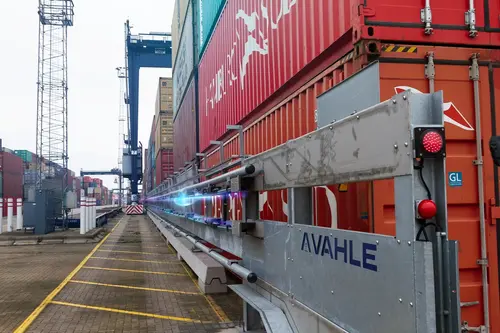
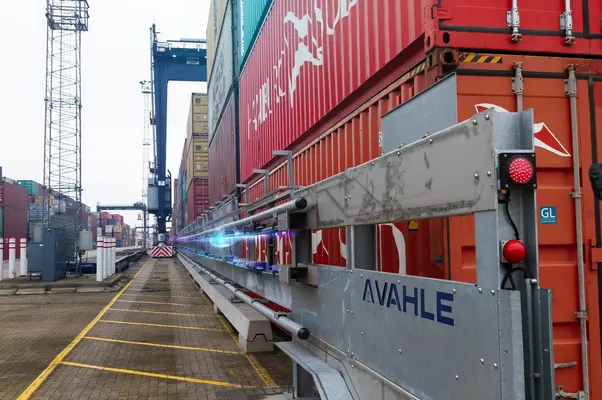
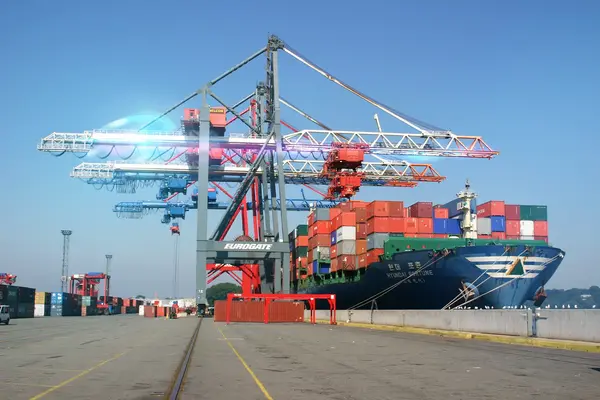
In today's port industry, reliable power and data transmission systems play a critical role in efficient and sustainable operations. VAHLE is a leader in providing solutions for STS, RTG and RMG cranes that not only increase performance but also help to reduce environmental impact.

Our Green Port solutions offer a wide range of technological solutions aimed at achieving Net Zero goals. These include advanced electrical power transmission systems for mobile applications, high-precision positioning technologies, efficient data transmission solutions and high-performance battery charging contacts for vehicles. By implementing these solutions, terminal operators can use renewable energy in a sustainable and future-proof manner and thus minimize theirCO2 emissions.

Innovationsmagazin

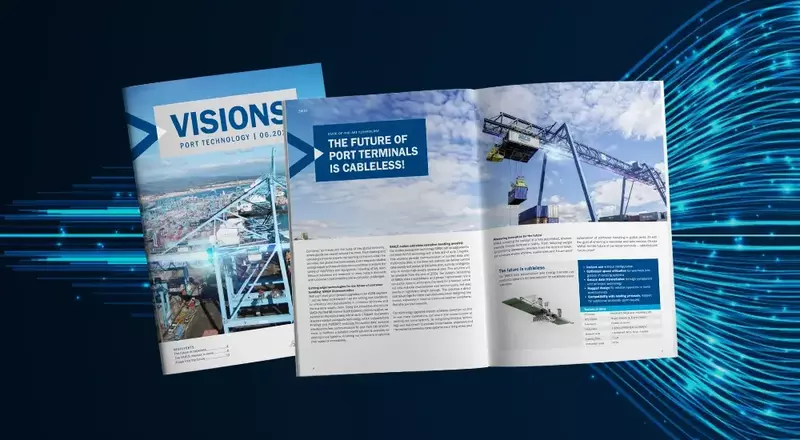
VAHLE Visions Port

Always up-to-date and always provided with the latest innovations and technology news from the port industry.

Discover trends and future prospects and find out how VAHLE is driving the industry forward with its advanced solutions and promoting sustainable developments. Benefit from exclusive insights into the world of modern port logistics.

Discover our Visions Port
Successful practical example

VAHLE and Felixstowe

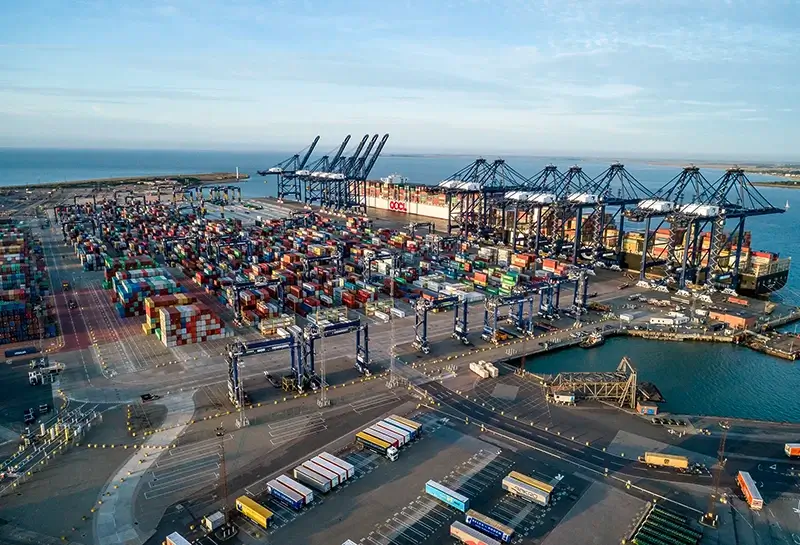
Since its inception in 2015, the partnership between VAHLE and the Port of Felixstowe has been a remarkable success story.

To date, over 100 Rubber Tyred Gantry (RTG) cranes have been successfully electrified and automated at the UK's largest deep sea port. In addition, more than 70 container aisles have been equipped with state-of-the-art energy and data transmission systems. The project received the Port of Felixstowe Environment Award for these pioneering measures to reduce emissions and increase efficiency.

By using zero emission technologies, Hutchison Ports is aiming for net zero emissions in the UK by 2035.

Find out more about this initiative here.

Discover solutions for your application

eRTG cranes

Power and data transmission for rubber-tyred gantry cranes

Discover applications
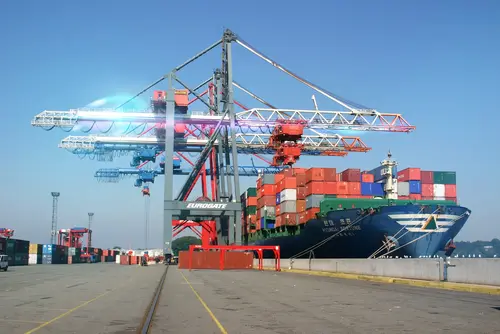
STS cranes

Power and data transmission for container gantry cranes

Discover applications
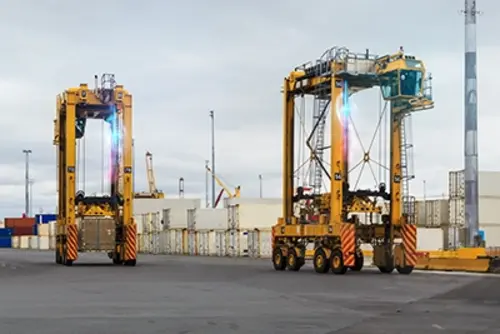
Straddle Carriers

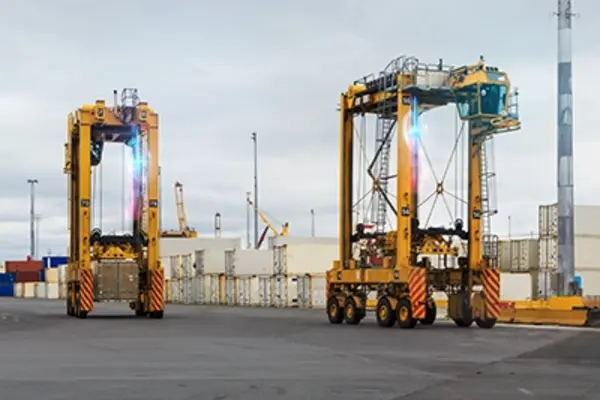
Energy supply for straddle carriers

Discover applications
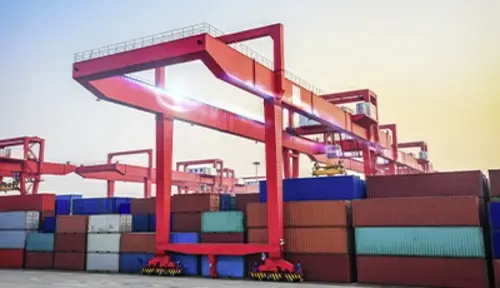
RMG cranes

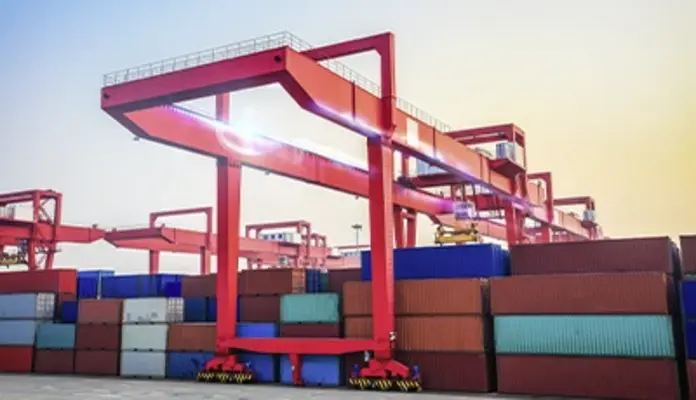
Power and data transmission for rail-mounted gantry cranes

Discover applications
Automated guided vehicle systems (AGVs)

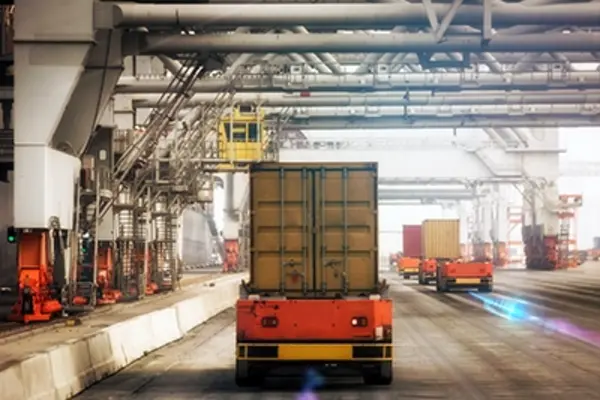
Power transmission for automated terminal vehicles

Discover applications
Unser Portfolio für Ihre Anwendung

Terminal automation and pioneer for zero emissions

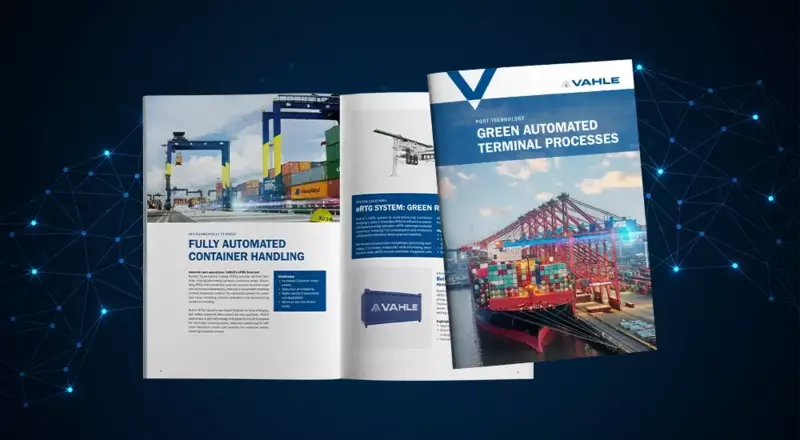
Discover our solutions for Green Ports in our latest brochure Port Technology!

Download our port brochure now and learn how VAHLE enables maximum efficiency and zero emissions for an environmentally friendly port industry with sustainable and innovative technologies.

Download

Do not hesitate to contact us personally

Our team of experts is on hand to answer your questions and help you with any challenges!

We have an answer to all your questions and support you in your Net Zero project.

Your Vision. Our Solution.

Get in touch with us
Exciting insights

Fairs

TOC Americas

Cartagena, Colombia

TOC Asia

Singapur, Singapur

Further links

Video interview

Interview at TOC Europe 2024 on sustainability in the ports of Hutchison Ports

To the interview

Contact us:

Your region:
Please enter a correct address

Your contact

VAHLE Customer Hub

Direct projecting or ordering?

Take advantage of our VAHLE Customer Hub!

VAHLE Customer Hub