















German high-tech solutions for the semiconductor industry
VAHLE supplies inductive power transmission for Taiwan's semiconductor industry
Nothing in today’s digital world works without semiconductors. These tiny components form the backbone of our modern society and shape our daily lives—from smartphones and electric cars to AI systems. A large portion of these key components is manufactured in Taiwan, which accounts for roughly a quarter of global production. This makes the island in the western Pacific a strategic hotspot in the global technology landscape. Now, a German mid-sized company is succeeding in entering this highly sensitive market: Paul Vahle GmbH & Co. KG has developed an innovative system for contactless power transmission for Overhead Hoist Transport (OHT) systems. This technology has proven particularly efficient in the high-precision manufacturing of semiconductors.
Anyone who wants to understand the future of technology must look to Taiwan. The island nation has become the nerve center of the global semiconductor industry. Leading the way is Taiwan Semiconductor Manufacturing Company Limited, or TSMC for short, the world’s largest chip manufacturer. Many German companies also source key electronic components and IT parts from Taiwan or have them manufactured there.
Strategic Market Entry
The entry of Paul Vahle GmbH & Co. KG from the tranquil town of Kamen—a town better known for traffic jams and slow-moving traffic at the Kamener Kreuz interchange—into the Taiwanese chip market is no coincidence, but rather a strategic response to global changes. And hardly any place in the world is currently as crucial for the industrial future as the island off the Chinese coast. Steffen Fink, Field Application Engineer at VAHLE, sums it up: “Anyone who wants to be a player in the semiconductor industry must have a presence in Taiwan or risk being left behind.”
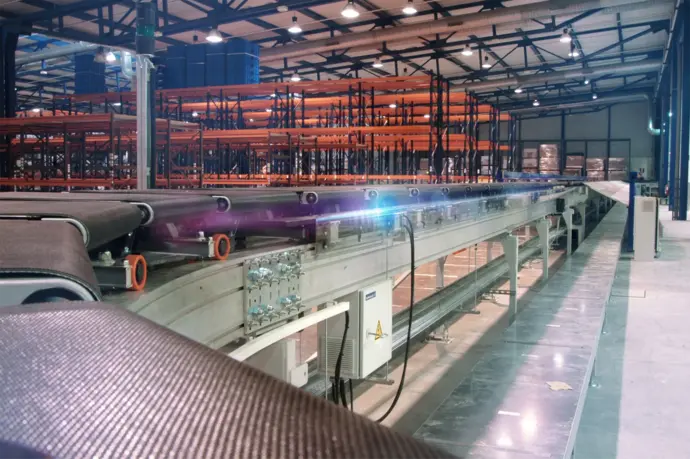
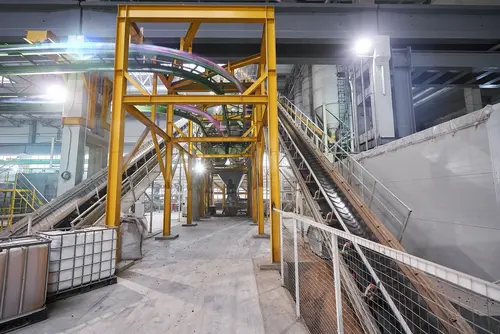
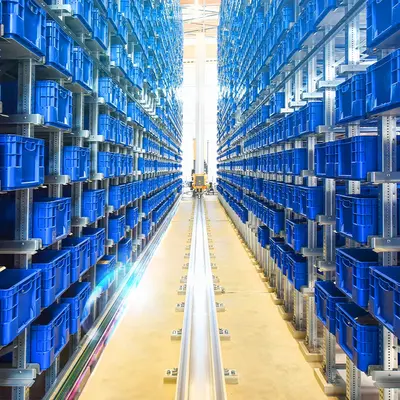
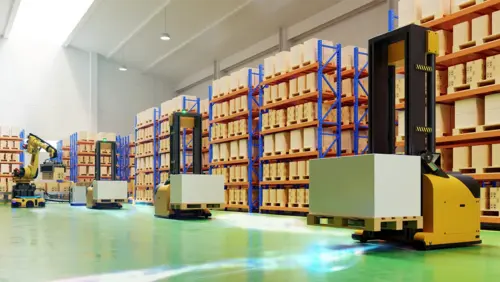
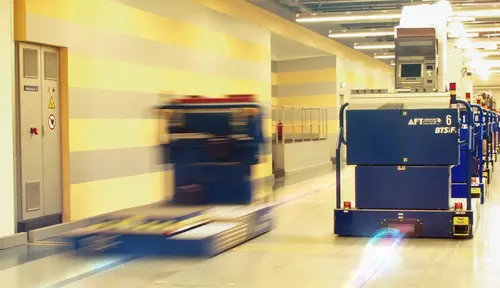
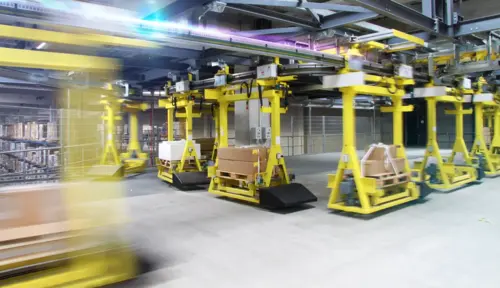
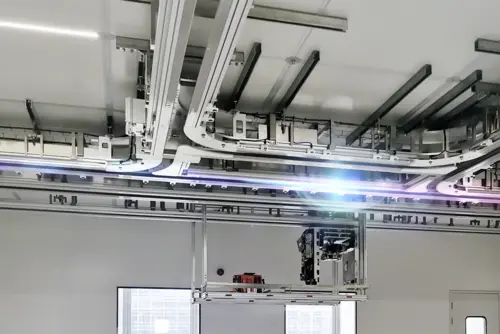
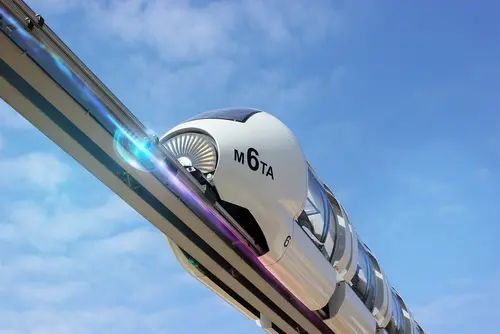
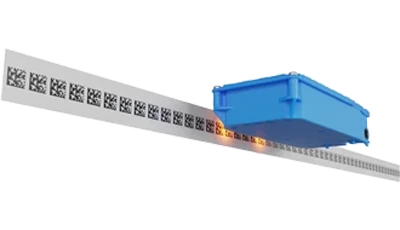
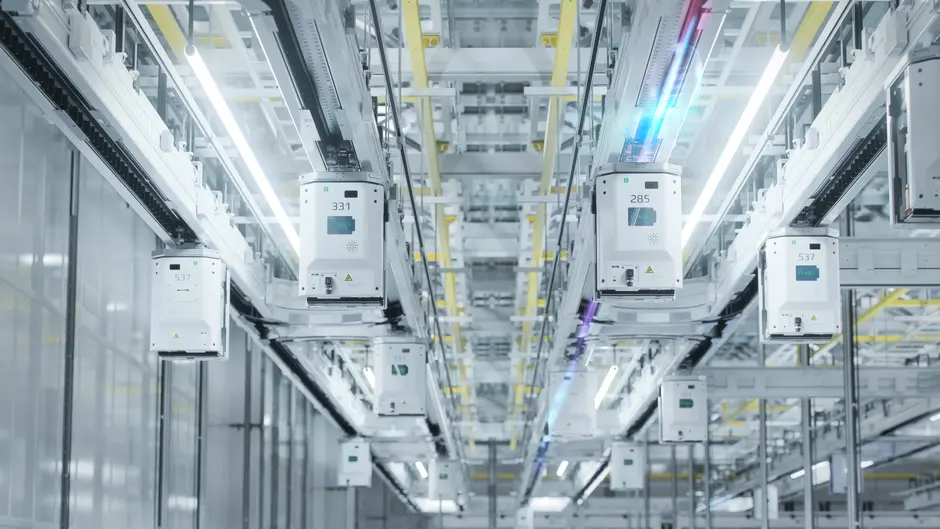
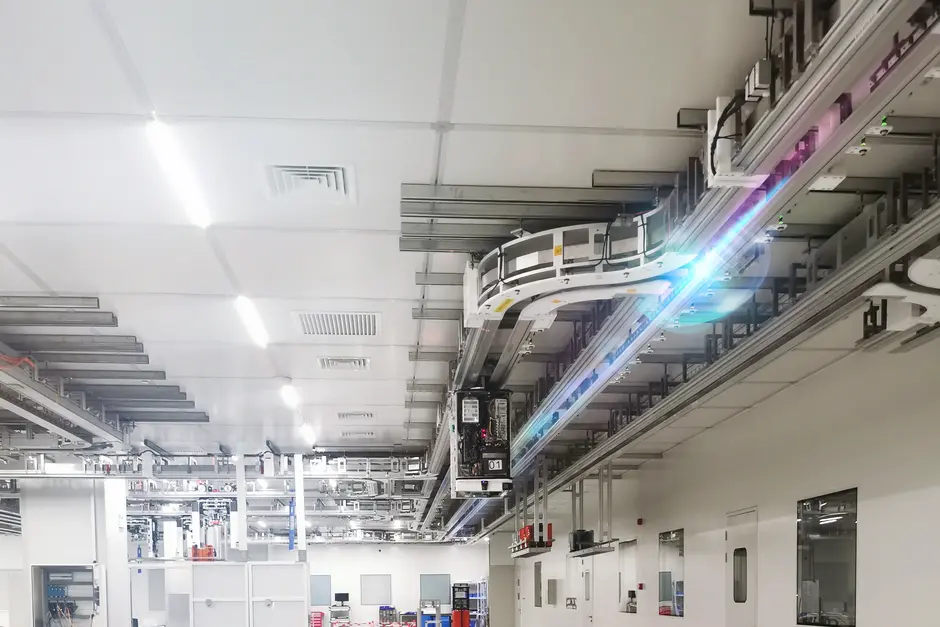
A large part of intralogistics in chip manufacturing relies on automated transport systems (OHT systems), which move the sensitive semiconductors between production steps. “In the past, this market was firmly in Japanese hands, with their own closed power supply systems,” explains Fink. But the tide has turned: Taiwanese companies are striving for greater independence, innovation, and new technologies. This is precisely where VAHLE sees its opportunity. With a product that, in the truest sense of the word, enables connectivity.
Efficiency and Safety in Production
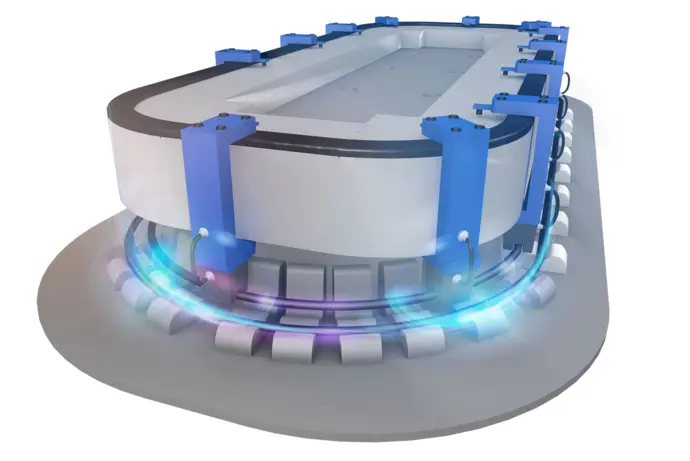
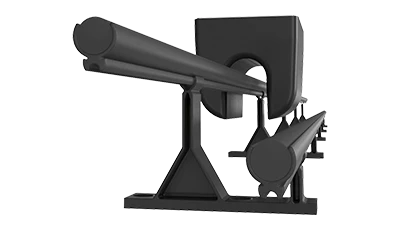
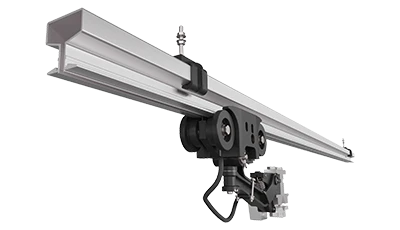
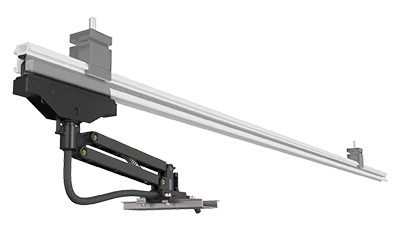
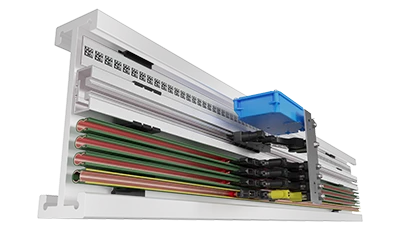
Because what the system provider for mobile industrial applications has developed in the field of contactless power transmission is unique worldwide: The in-house CPS140 technology (Contactless Power Supply) operates at a transmission frequency of 140 kHz. More than seven times what other market players use. This is because established systems are often still based on technical standards from the 1990s and operate at only 10 to 20 kHz. “The high frequency also allows for a significantly lower current,” explains Fink. While other providers operate at up to 85 amps, VAHLE requires only 45 amps. “In a direct comparison, our technology is thus more efficient, has four times fewer losses, and is significantly more powerful than many existing solutions.”
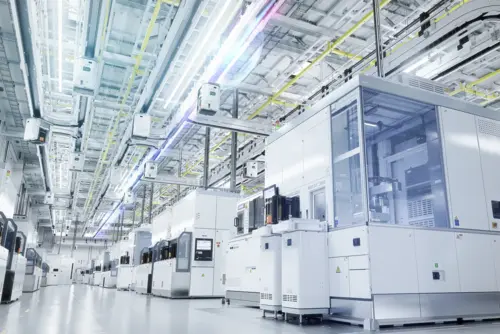
Another advantage: CPS140 generates a particularly small magnetic field with an extremely high energy density. A decisive advantage in sensitive production environments with high safety requirements. The so-called metal-free zone is also reduced to a minimum. “This means minimal power losses, minimal heating in areas close to metal, and thus greater safety and efficiency during operation,” says Fink. In semiconductor production, every degree counts: Manufacturing takes place in strictly climate-controlled cleanrooms at a constant 25 degrees Celsius and defined humidity. Any unnecessary heating caused by power loss must be compensated for in a complex and energy-intensive manner. The VAHLE system therefore not only lowers energy consumption but also reduces cooling requirements and thus operating costs.
Compact design and maintenance-free operation
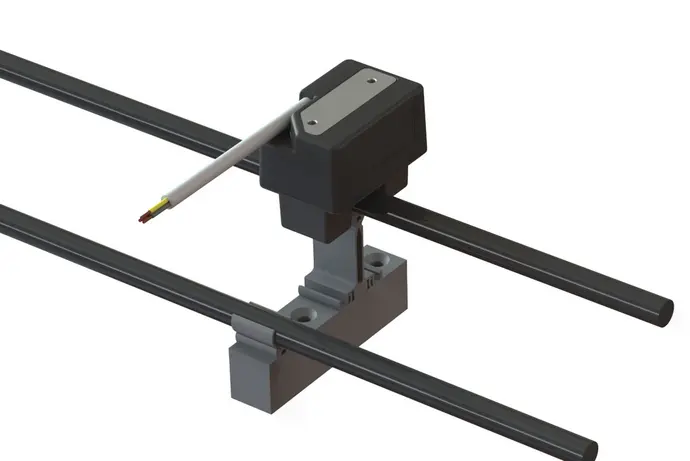
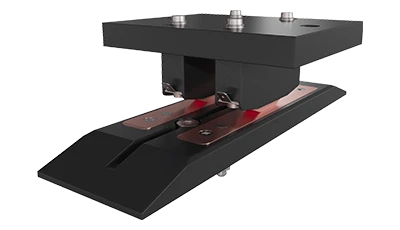
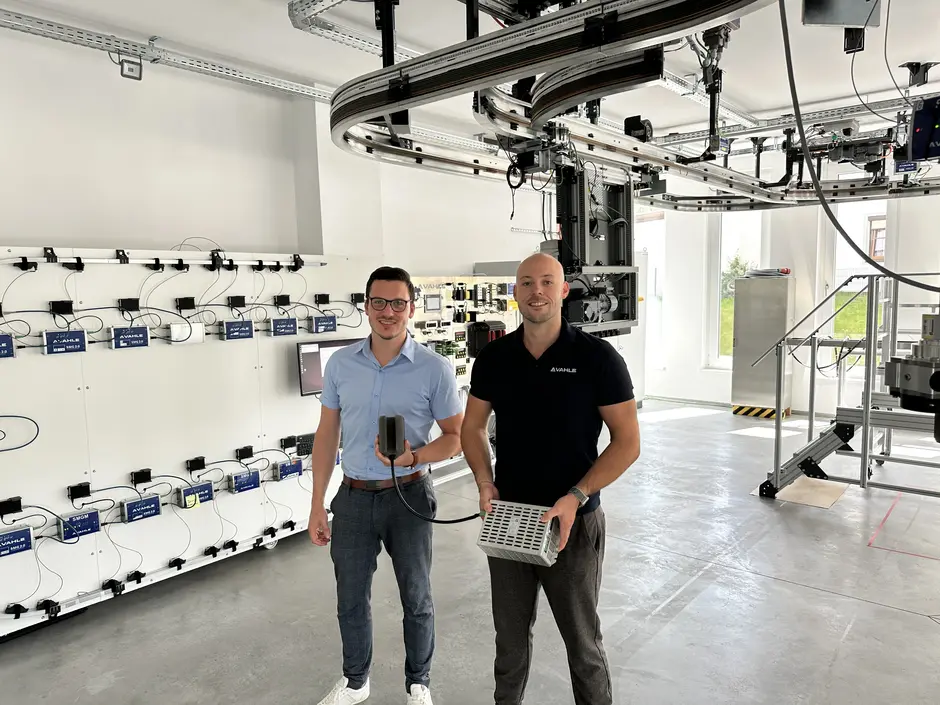
The contactless power transmission system also offers decisive advantages in terms of size and integration: Thanks to the high transmission frequency, the so-called pickups—that is, the energy receivers—can be built particularly compactly. “Our pickups are among the smallest inductive solutions on the market and impress with their outstanding integration capabilities,” emphasizes Fink. Their small size facilitates integration into complex conveyor systems, particularly where tight curve radii or limited installation space are a factor, such as in extensive intralogistics facilities with routes spanning several kilometers.
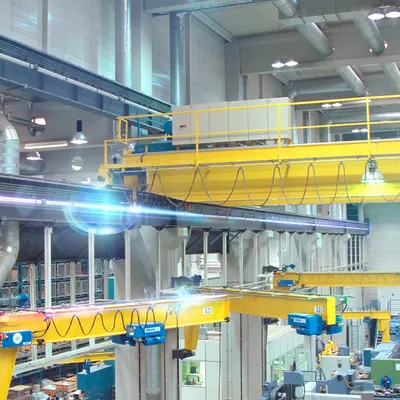
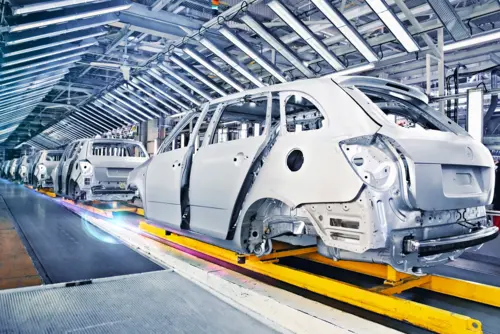
Furthermore, the system operates entirely without mechanical wear. In practice, this means maintenance-free operation from the moment of implementation, with no defects or spare parts required. This is a crucial quality factor, especially in sensitive production environments such as the semiconductor industry. There, any unplanned downtime—or even the smallest manufacturing defect—can incur high costs and render entire batches unusable. Furthermore, the barrier to entry for the system is low, as it is already in use across various industries such as automotive manufacturing, food logistics, and distribution centers.
High Standards for High Demands
VAHLE is also ideally positioned from a regulatory standpoint: The SEMI (Semiconductor Equipment and Materials International) certification, which is central to the semiconductor market, confirms, among other things, low particle emissions, high reliability, and compliance with international fire safety regulations. It is considered a decisive standard in the strictly regulated chip manufacturing industry and forms the basis for the global use of VAHLE technology.
Another door opener for the international market: VAHLE is one of only two providers worldwide with additional UL certification. “This is an important factor for market access in Asia and North America,” explains Fink. While such certifications are less frequently required in Europe—partly due to the traditionally low level of semiconductor production—they are considered standard in places like Taiwan. Market dynamics also differ: Unlike in price-sensitive sectors such as the automotive industry, price plays a secondary role in semiconductor manufacturing. “Here, quality, reliability, and energy efficiency take center stage—criteria where VAHLE can score big,” says Fink.
Technology alone is not enough
VAHLE’s entry into the Taiwanese market is not only a technological milestone but also a cultural one. Gaining access is considered challenging—not only because of the high technical requirements but, above all, due to established structures and long-standing business relationships. For decades, Japanese suppliers have dominated the market, often in near-monopoly-like configurations. Anyone seeking to gain a foothold here needs more than just an innovative product. What is needed is trust, a local presence, and intercultural competence.
For VAHLE, building personal relationships was therefore crucial. Johannes Schipflinger, a product manager at the company, has been active in the Asian region for years and works closely with local colleagues. His regional experience and understanding of cultural nuances were key factors in entering the market on equal footing. “Of course, you’re perceived very differently when someone from your own cultural circle is sitting across from you,” says Schipflinger.
Partnership-Based Business Models
VAHLE’s business model is based on partnership-oriented collaboration anyway. This is because contactless power transmission is not a visible end product, but a central component within complex conveyor systems. “The invisible lifeline, so to speak. Crucial for operation, but not in the spotlight,” says Schipflinger. That is why close cooperation with system integrators and OEMs is particularly important, as they integrate the technology into their systems and market it together with VAHLE.
The market entry in Taiwan took place with the support of VAHLE’s branches in Asia and local colleagues, who established initial contacts and provided technical and cultural translation services. Strategically, the project continues to be managed from Germany. Proximity to the Asian market is an advantage, but the technological expertise remains clearly “Made in Germany.” This promise of quality continues to carry great weight in Taiwan. Despite all the discussions about Germany as a hub for innovation, German engineering enjoys an excellent reputation in Asia. “We feel the trust, at the latest when we present our technology,” says Schipflinger. “The openness to innovation is there, but people want to know exactly who they’re dealing with.”
A Culture of Trust in Taiwan
Despite a Western-influenced surface—German cars on the streets, iPhones in every hand—Taiwan has its own set of rules: business takes time, personal connections, and a physical presence. Business dinners at round tables with dozens of dishes, conversations in Chinese even when English is understood—all of this is part of the culture of trust.
With every successful installation, trust grows—and with it, the chance to gain a long-term foothold in one of the world’s most dynamic markets. The first projects are already on the horizon; the local team impresses with its expertise, dedication, and professional demeanor. But in the semiconductor industry, a successful entry is not enough: what counts most now is consistency. Reliability, technological advancement, and a continuous presence are the currencies with which trust is built.
Global Opportunities with German Technology
VAHLE’s entry into the Taiwanese semiconductor market demonstrates how German engineering, combined with technological innovation, can successfully gain a foothold even in one of the world’s most demanding technology sectors. With its CPS140 contactless power transfer solution, the company meets key requirements of chip manufacturing. Yet success is not based solely on technology. Building trusting partnerships, cultural understanding, and a long-term local presence have played a key role in being recognized and accepted as a new provider—even by established market players. Demand is now growing, and further projects are on the horizon. “We’re not just riding a wave; we built the right surfboards ourselves,” sums up Product Manager Johannes Schipflinger.
Parallel to the expansion in East Asia, Europe, the U.S., and India are also coming into sharper focus. New semiconductor sites are emerging there in particular, with similar requirements for reliable and maintenance-free technologies. VAHLE is preparing for this step, for example, by participating in international trade shows such as Semicon Taiwan or Electronica India. At the same time, the collaboration with Taiwanese partners provides valuable impetus for the product’s further development. The first work packages for technological optimizations have already been defined. One thing is clear: the entry into Taiwan was more than a single success. It is part of a long-term strategy to remain a permanent player in a globally growing market.
“In the current discussion about innovation, high-tech, and Germany’s role as a technology hub, deficits are often highlighted. Yet we must not forget that numerous medium-sized companies actively promote ‘Made in Germany’ around the world as true powerhouses of an export nation, which Germany continues to be,” Schipflinger concludes. VAHLE is one of these companies with technological depth, a global orientation, and the determination not only to serve future markets but also to help shape them.