





111 years old and still up to date
The conductor rail: an invention that continues to shape the industry today
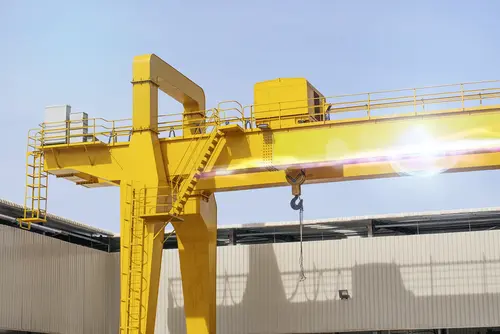
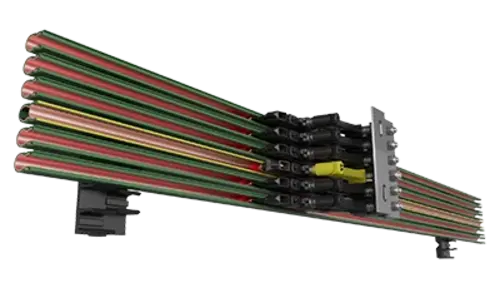
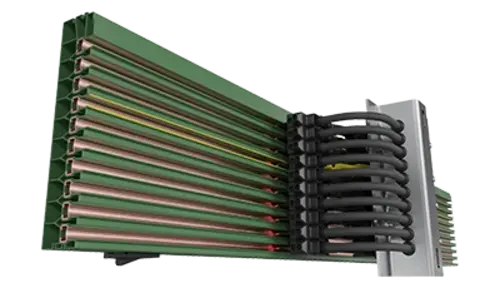
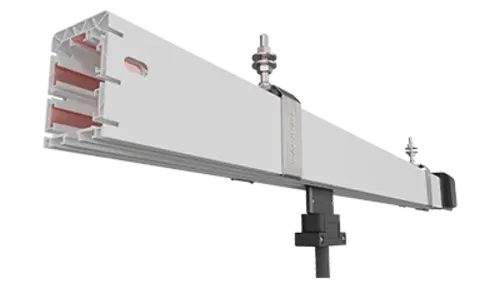
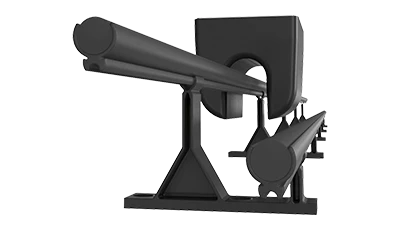
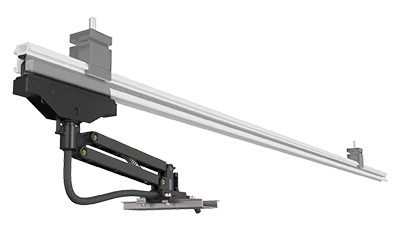
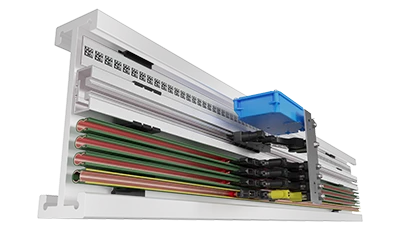
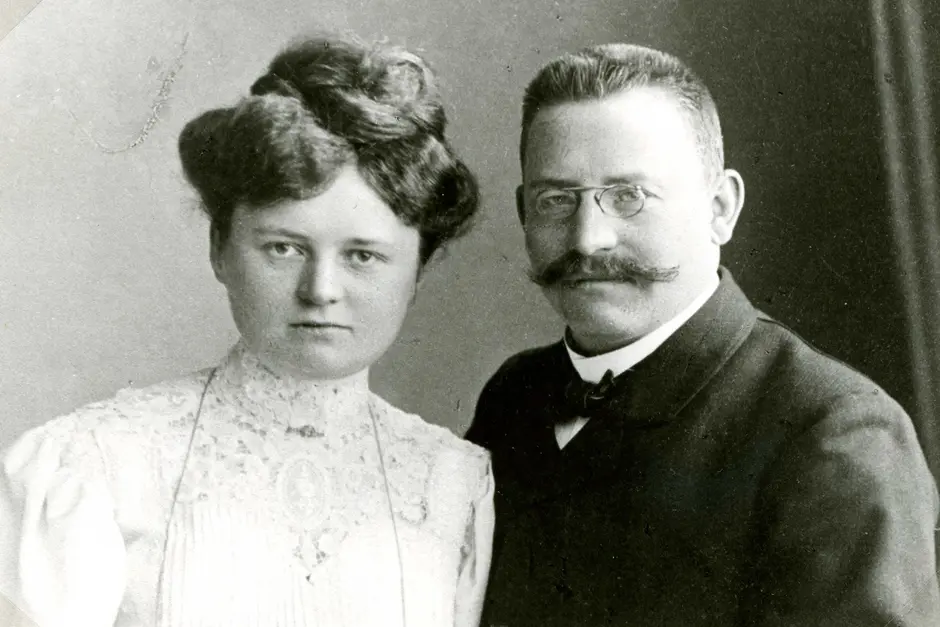
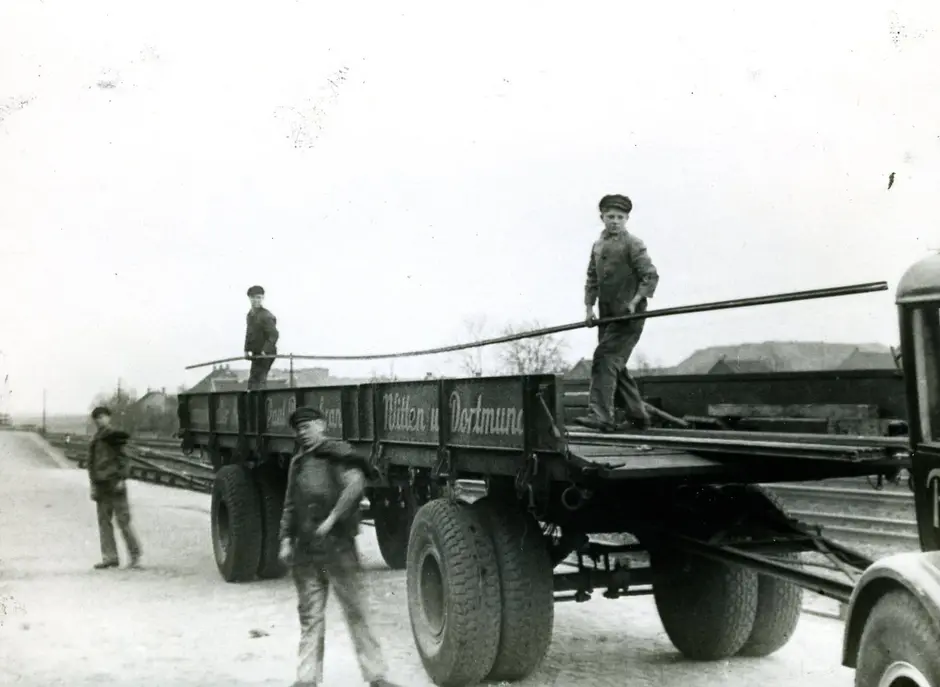
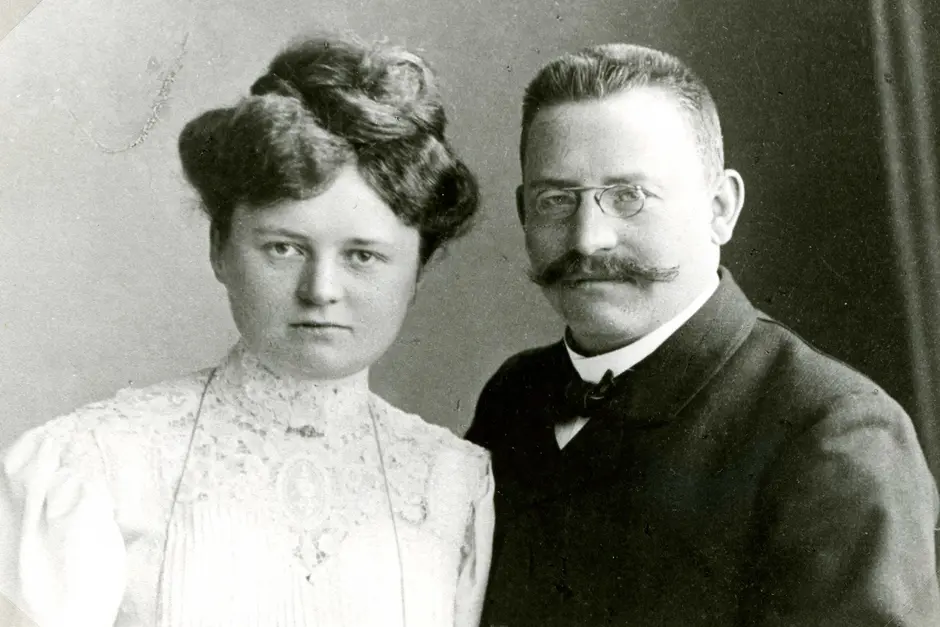
Paul Vahle is not a man who is satisfied with the status quo. As plant manager of the Dortmund iron and steelworks Hoesch AG in the early 1910s, it annoyed him beyond measure that production repeatedly came to a standstill because electrical machines broke down due to a short circuit. This was caused by the open round copper cables used to supply the plants with power in the early years of electrification. Particularly with moving equipment such as cranes, the current-carrying cables regularly come into contact with each other unintentionally, overloading the systems. It's a problem that the Dortmund native can't let go of, even after work. So he quickly came up with a solution in his spare time. It proved to be so convincing that it is still in use today - 111 years after Vahle patented it: the conductor rail.
After the Industrial Revolution in the middle of the 19th century, electrification provided the next boost to economic development, and a huge one at that. After the large companies had already replaced coal and steam as energy sources with electrical energy in the first decades of the 20th century, small and medium-sized companies are now gradually following suit. Paul Vahle, who is not only a resourceful inventor but also has courage and business acumen, quickly recognizes the value of his invention. Without much preparation, but with a promising patent in his pocket, he put all his eggs in one basket and founded his own company, VAHLE OHG, based in Dortmund-Brackel, on April 9, 1912.
It soon became clear that the risk would pay off. The company grew and prospered year after year. When the inventor of the conductor rail died in 1926, his wife Helene took over the management of the now 14-year-old, well-running company. The company was now reaching its limits in terms of production, so that in 1929 additional factory buildings had to be rented in Dortmund-Brackel. Helene Vahle was already being actively supported in the management of the company by her son Paul Werner, who finally took over his parents' business in 1932.
The turmoil of the Second World War, which raged from September 1939, did not leave VAHLE untouched. Paul Werner was called up for military service and was taken prisoner of war in 1945, from which he only returned to Dortmund four years later. And once again it was a woman, this time Paul Werner's wife Maria, who successfully kept the company on course and expanded it. By 1936, the company already had more than 30 employees.
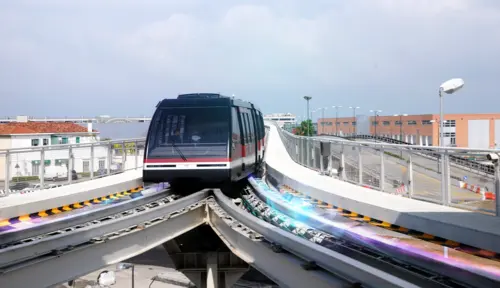
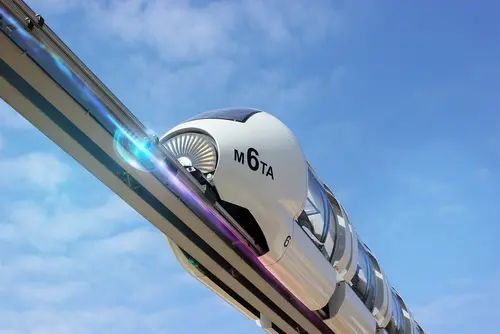
VAHLE then benefited greatly from the economic upturn of the post-war period: turnover multiplied within a few years, while the number of employees climbed to several hundred. VAHLE also expands in terms of space and buys a property on Westicker Straße in Kamen, where the company headquarters are still located today. In the 1970s and 1980s, the company developed innovative and novel products such as light metal rails and conductor rails for electrified monorail systems, proving that it had lost none of the innovative spirit of its founder and namesake over the years. Towards the end of the millennium, VAHLE then designed a system for inductive energy transmission for moving applications in conveyor technology - a technology that has long since been used not only in industry, for example to power automated guided vehicles, but also in everyday life, for example to charge smartphones.
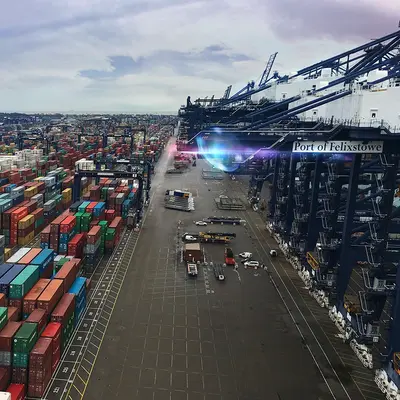
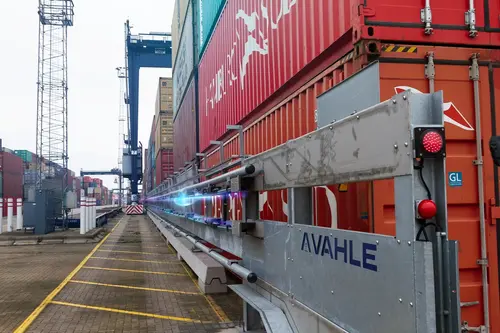
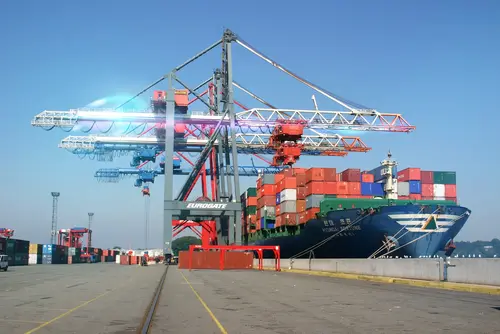
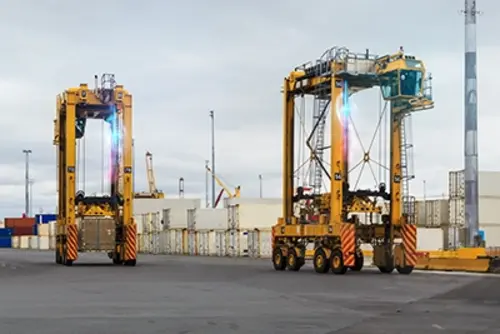
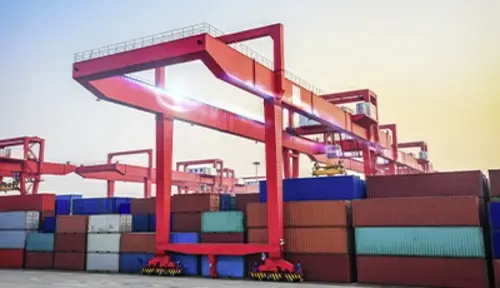
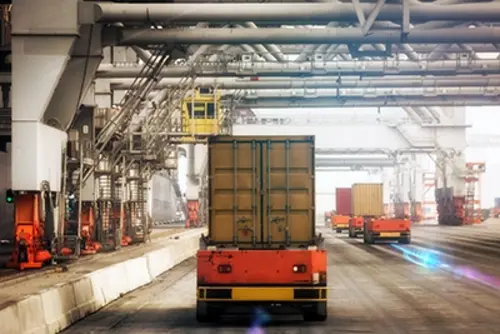
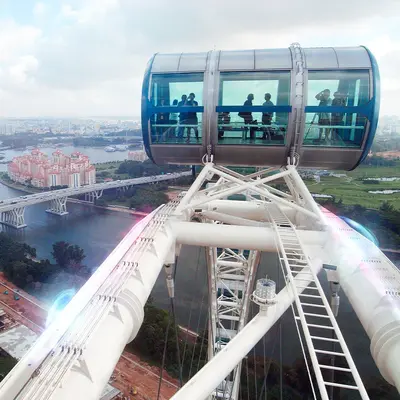
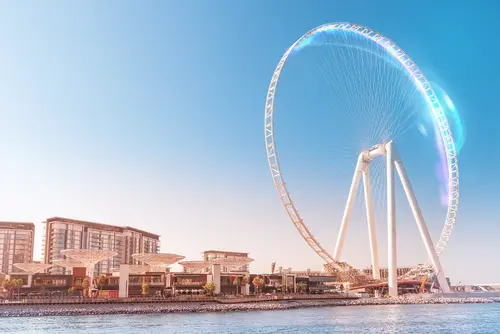
Today, 111 years after it was founded, Paul Vahle GmbH & Co KG is one of the world's leading manufacturers of high-performance energy, data transmission and automation systems with around 850 employees and implements major international projects. Among other things, the company was involved in the Transrapid magnetic levitation train research project back in the 1980s, which has been hovering over VAHLE conductor rails in Shanghai since 2001. However, the most impressive project in which the Kamen-based company is involved as a partner is in Dubai: the AIN Dubai Ferris wheel, which at 260 meters high is the tallest and largest in the world. Custom-made conductor rail systems reliably supply the 48 luxury cabins and 65,000 LEDs of the Ferris wheel with electricity and prevent damage caused by lightning strikes. In many ports, too, nothing works without VAHLE's power and data transmission systems. Among other things, the Kamen-based company electrified and automated the Port of Felixstowe, the UK's busiest container port. The conversion of the facilities into so-called Green Ports are probably the most visible examples of VAHLE's commitment to sustainability and are making tangible CO2 reductions possible worldwide.
The Kamen-based company is also underlining its ambitions to make industrial power supply more sustainable through its involvement in numerous research and funding projects to develop the DC busbar - a technology that has the potential to revolutionize industrial power supply once again. In this context, as consortium leader of the joint research project "effiDCent", the company has developed a system for DC-fed rails that represents a paradigm shift in industrial power supply and saves more than ten percent energy during operation.
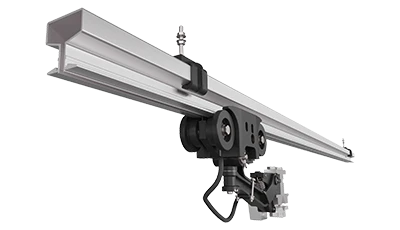
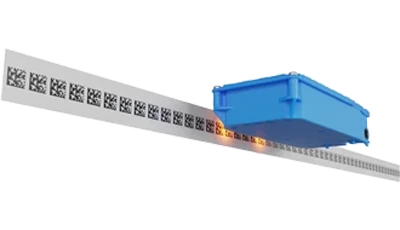
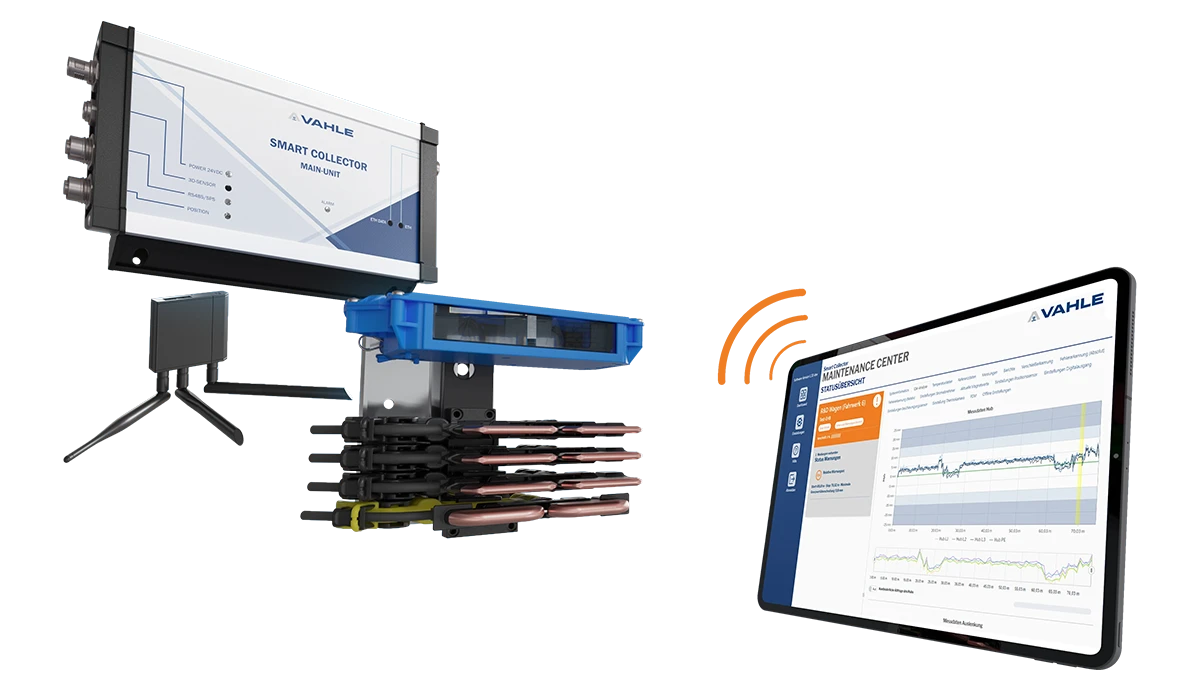
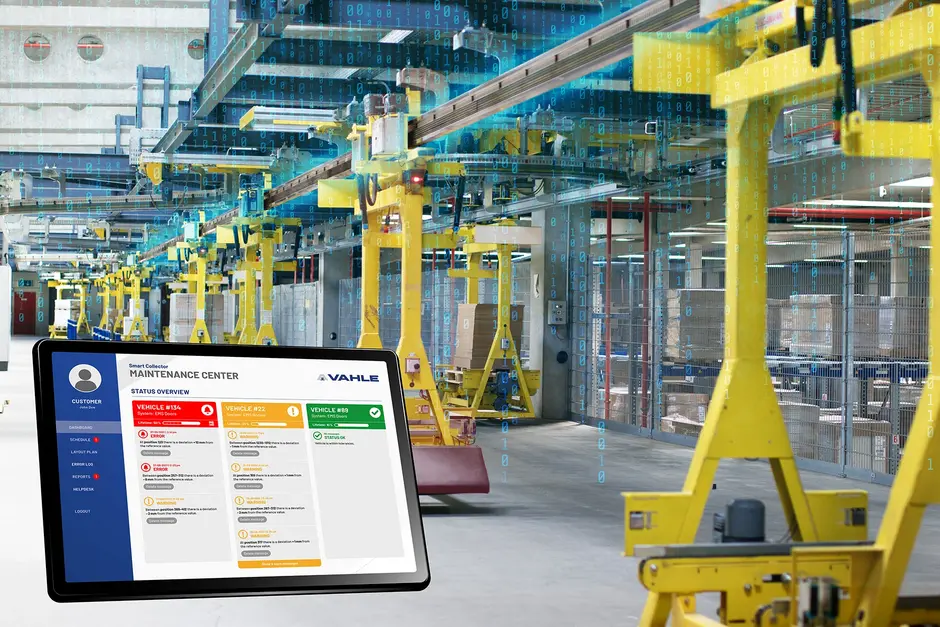
With the Smart Collector, the world's first intelligent current collector, the Kamen-based company also proves that it has not lost its inventive spirit. The Smart Collector is able to collect analysis data on the condition of the conductor rails and the entire system while the system is in operation. In this way, it detects foreseeable faults, prevents unplanned downtimes and thus ensures a smooth production process.
"VAHLE has always been an 'enabler', driving the industrial revolution with its products and initiating countless developments," emphasizes Achim Dries, CEO of the VAHLE Group. "This way of thinking and the ambition to constantly develop ourselves further are still firmly anchored in the company's DNA. Even after 111 years, our innovative spirit remains unbroken and continues to drive us forward." Addressing customer requirements and transforming them into efficient, sustainable and safe processes - that is the maxim of the Kamen-based company, both yesterday and today. And this will not change in the future.