







Euregio Innovation Award 2026: Second Place for VAHLE Automation’s Hybrid Energy Storage System
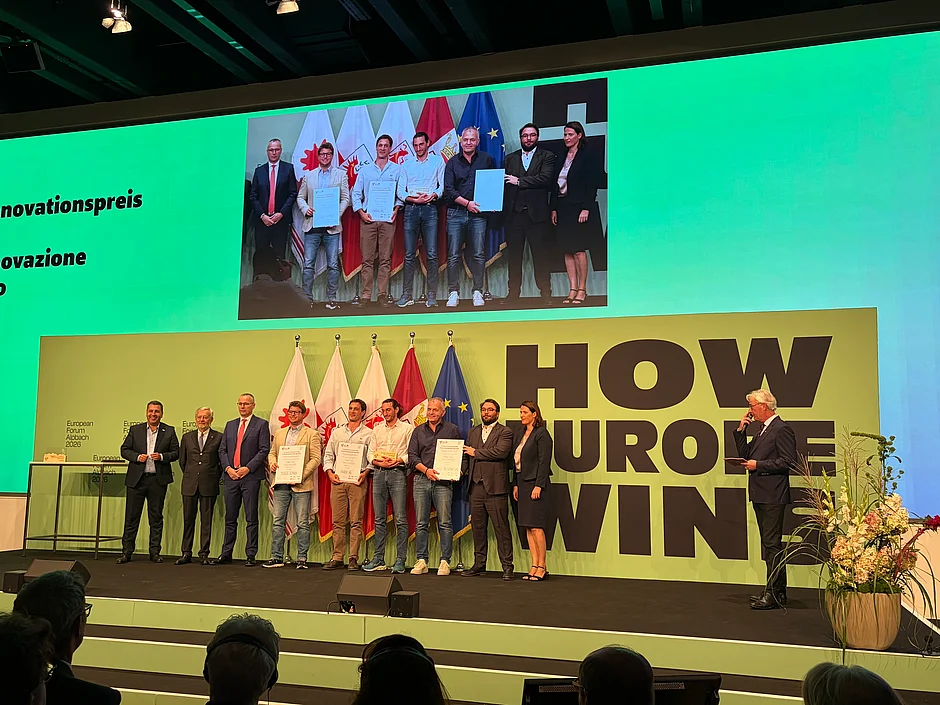
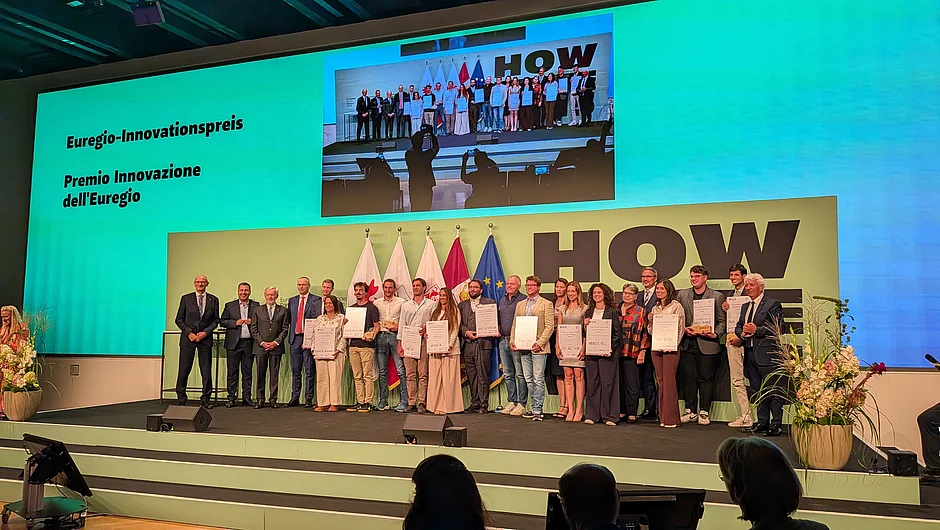
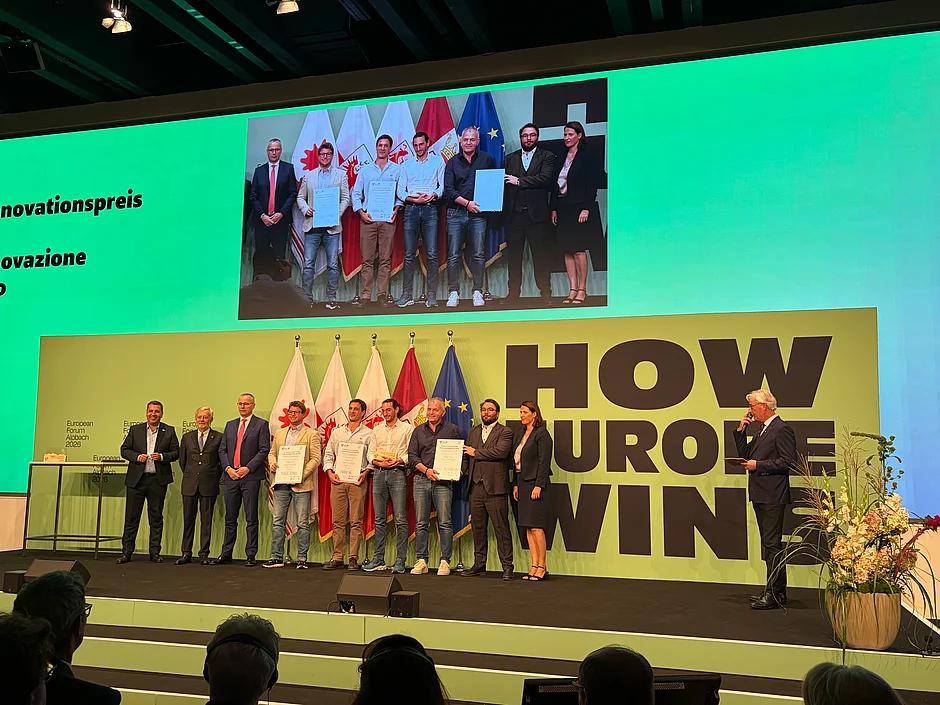
VAHLE Automation GmbH took second place in the “Concepts/Prototypes” category at the 9th Euregio Innovation Award. The award recognized a hybrid energy storage system that efficiently compensates for peak loads in industrial applications, reduces infrastructure costs, and stabilizes the energy supply to existing facilities.
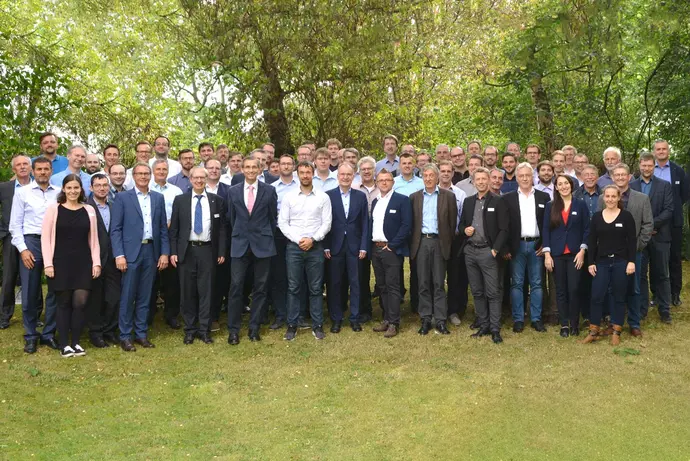
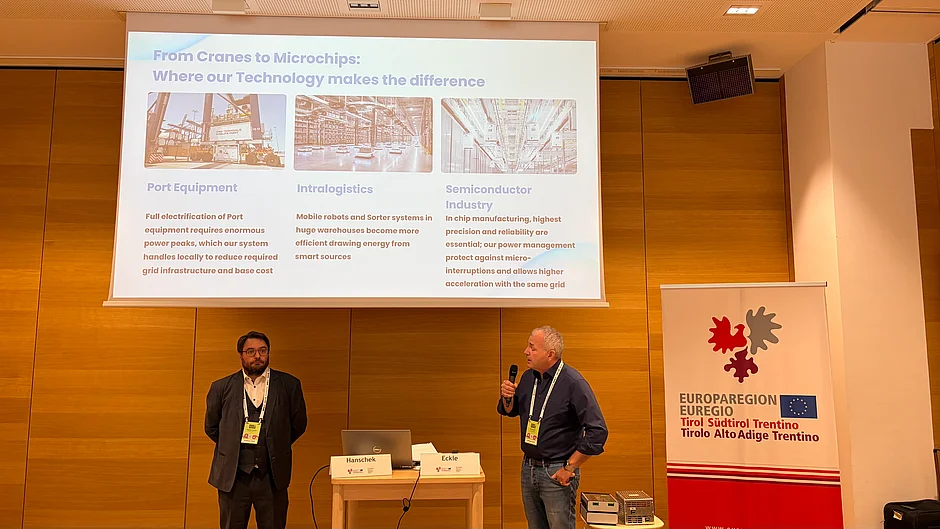
A testament to the VAHLE Group’s innovative strength: VAHLE Automation GmbH took second place in the “Concepts/Prototypes” category at the 9th Euregio Innovation Award. VAHLE Automation GmbH took second place in the “Concepts/Prototypes” category at the 9th Euregio Innovation Award. With its project “Decentralized Hybrid Energy Storage Systems for Peak Load Compensation in Industrial Applications,” the system provider prevailed among numerous submissions from Tyrol, South Tyrol, and Trentino. The development team presented the innovation on August 29, 2026, at the European Forum Alpbach and accepted the award there. The award-winning prototype was developed as part of the FFG-funded HESS4MRA research project in close collaboration with the i-PEL team at the University of Innsbruck and with support from Infineon Austria. The VAHLE Group is now gradually transitioning the technology into industrial application.
“Our solution provides additional energy precisely when it is needed. This conserves battery power, extends their service life, and sustainably reduces the load on the power grids of existing systems,” explains Michael Eckle, CTO of the VAHLE Group and Managing Director of VAHLE Automation. The background to this development lies in the typical demands of everyday industrial operations: Whenever machines start up, accelerate, or brake abruptly, brief, high load peaks occur. To meet these temporary demands, power grids and energy storage systems have often had to be significantly oversized—a process that is both complex and costly.
The system was developed at the Schwoich site near Kufstein, which serves as the VAHLE Group’s central innovation hub for automation, control technology, and smart energy solutions. As the Group’s R&D think tank, the Tyrolean site brings together expertise in forward-looking technologies and bridges the gap between research findings and industrial practice.
Decentralized Hybrid Solution Absorbs Peak Loads
The Schwoich development center addresses the challenge of fluctuating energy demands with a well-thought-out system concept: The storage solution combines a conventional battery with a supercapacitor, which can absorb and release energy particularly quickly. While the battery ensures a continuous base supply for the systems, the supercapacitor covers occasional peak demands within seconds. This reduces the load on power grids and energy storage systems and prevents costly expansions of the operational infrastructure.
“The fact that this technological approach was awarded second place in the Euregio Innovation Prize is an outstanding recognition of the work done by our development team in Schwoich and our close collaboration with our research partners,” adds Eckle.
From the Research Lab to Industrial Practice
An intelligent control system distributes electrical power fully automatically between the battery and the supercapacitor. Following successful test series under laboratory conditions, the first components of this new development are already being used in real-world pilot projects.
The measurement results demonstrate the technology’s high potential for everyday industrial use: By using the hybrid system, infrastructure costs can be reduced by up to 30 percent, while existing systems can achieve up to 35 percent more power. In addition, the system reliably compensates for up to 90 percent of short-term power outages, thereby significantly increasing operational reliability.
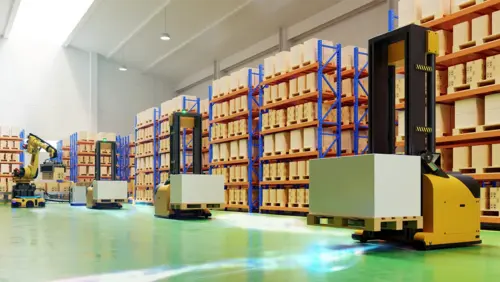
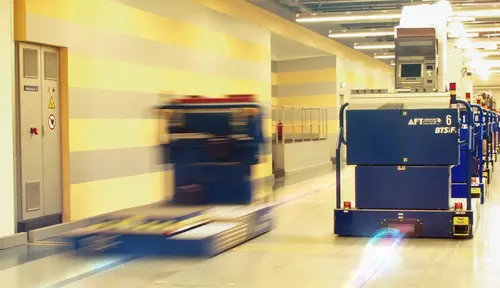
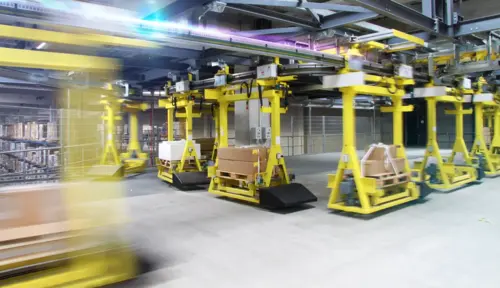
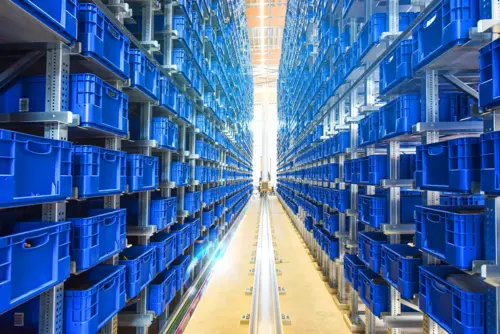
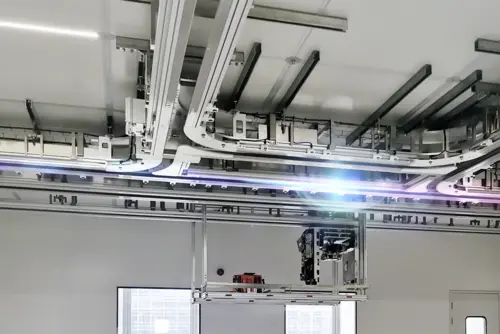
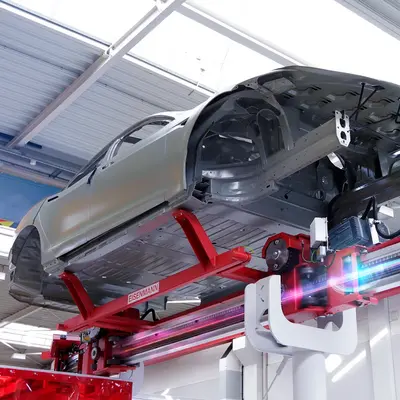
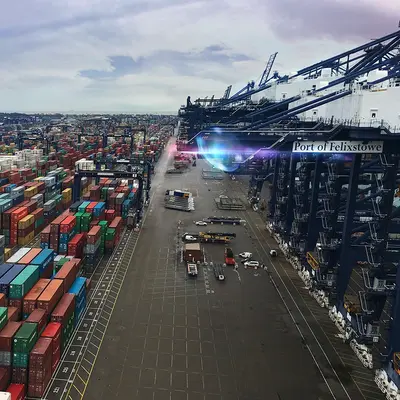
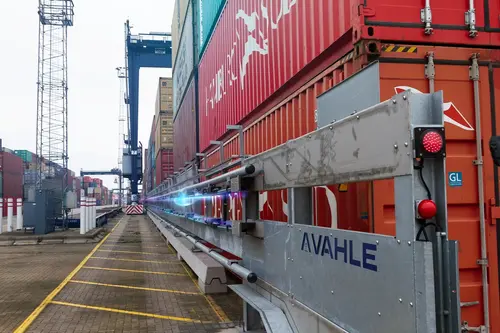
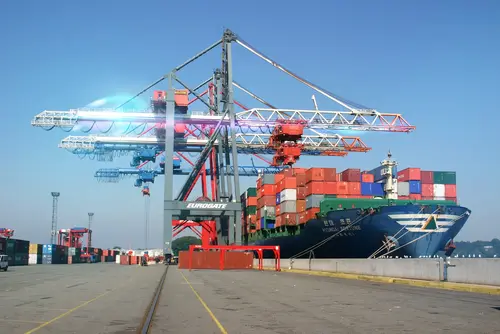
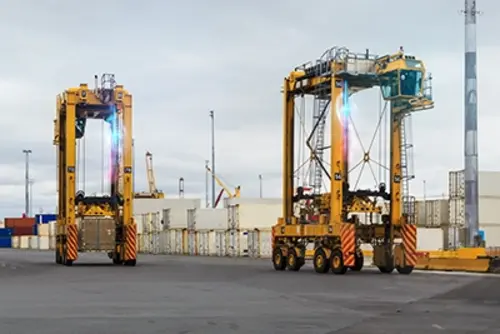
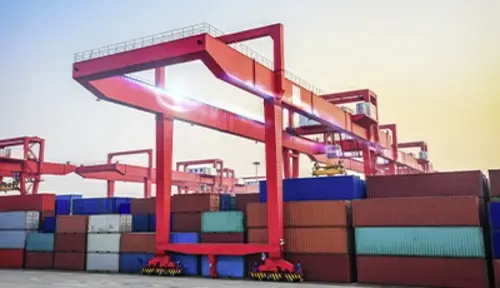
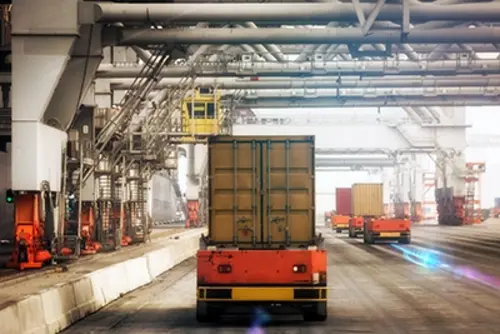
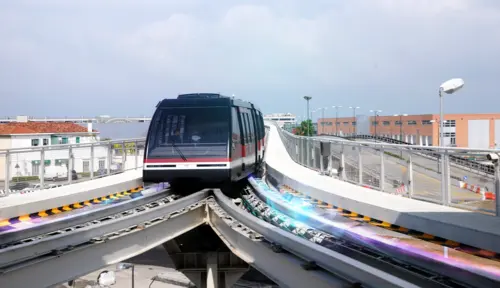
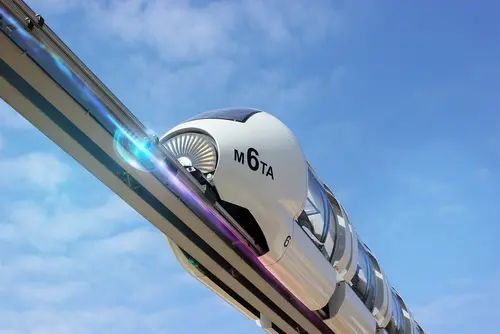
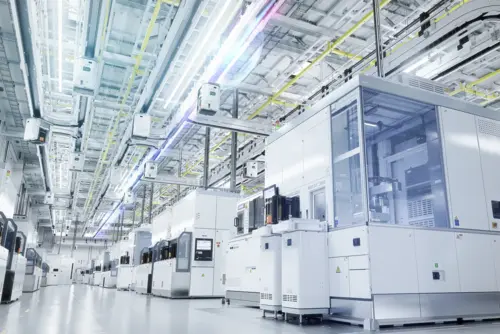
“The applications range from driverless transport vehicles in warehouses to robotic and crane systems, all the way to highly dynamic port applications,” says Eckle. The innovation also opens up new possibilities for electric monorail systems in the semiconductor industry: There, the vehicles automatically transport sensitive silicon discs—known as wafers—between individual manufacturing steps and benefit from an uninterrupted power supply that minimizes strain on the grid.